Kagoshima
To Kagoshima
I took Kyushu shinkansen from Fukuoka to Kagoshima.
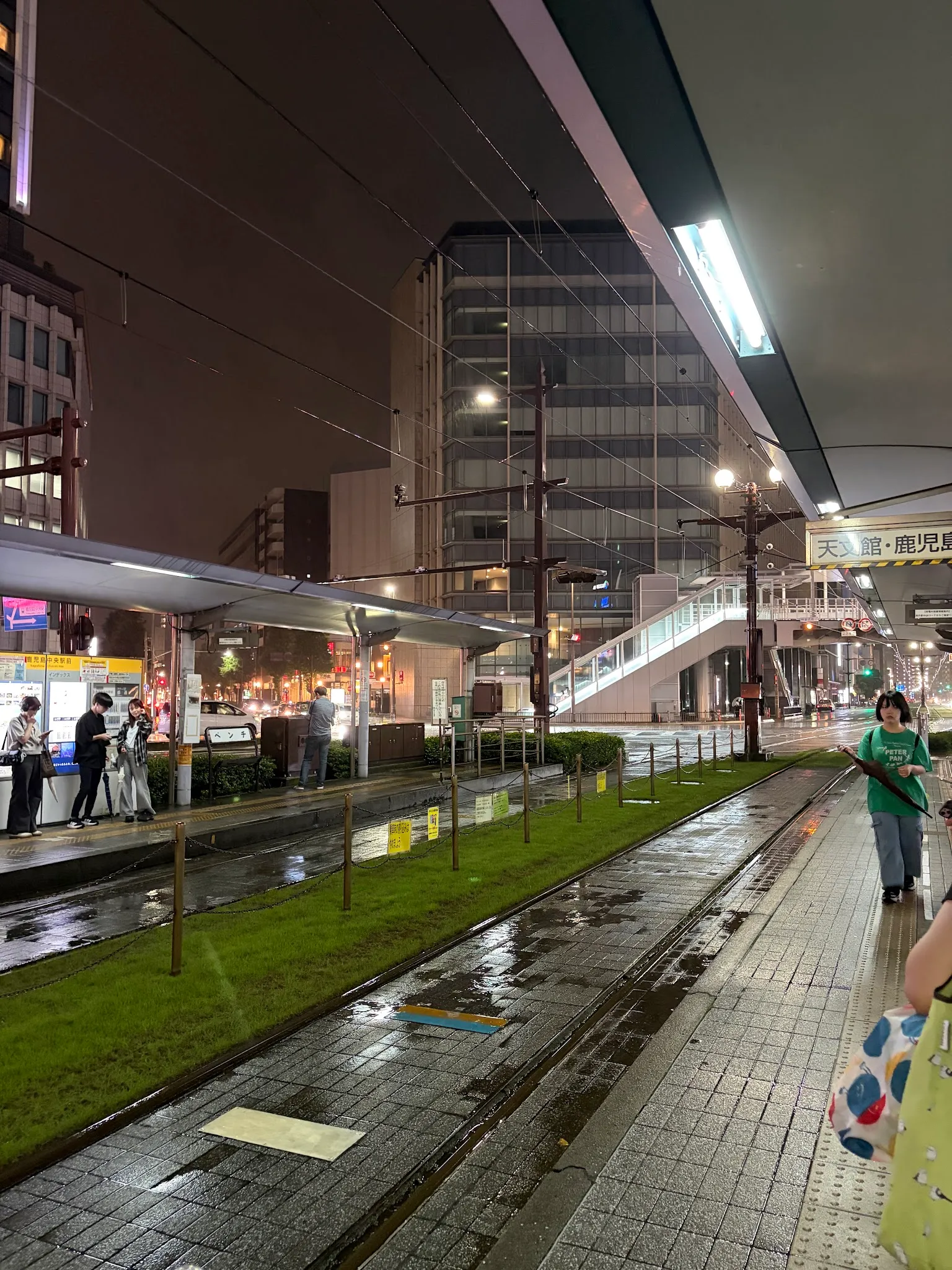
Kagoshima welcomed me with a rain. Wow, it was still clear in Fukuoka. Moreover, the weather forecast says it will rain for the next few days :(
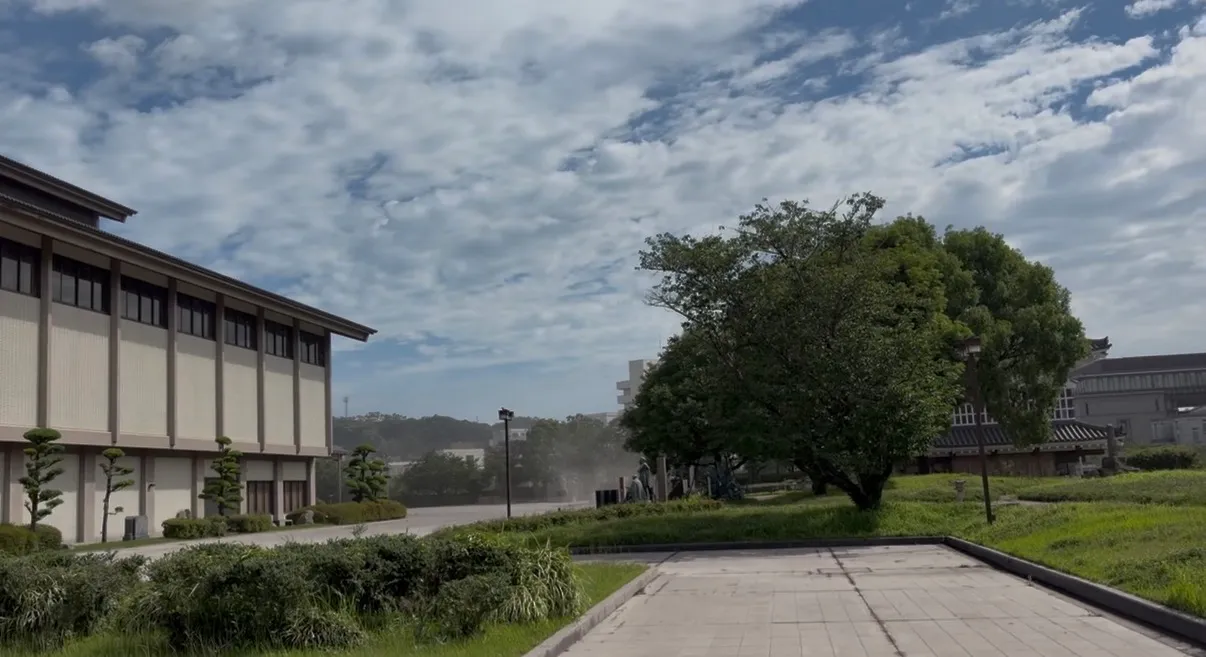
So in the next morning, it did not rain, but there was a heavy ashfall from Sakurajima :( If you can see the ash tornado in the picture.
In the afternoon when the ashfall had died down, the streets were covered with ash, and I could even see some cars covered in ash. What weather! This is the first time I saw an ashfall, but it could be a bit irritating.
Reimeikan museum
The museum features displays from ancient times of Kagoshima up to the present day: from the pre-historic periods with early signs of civilisation on Kyushu, to pre-modern periods of Japan where the shogunate held power, to the modern day Japan with the imperial colonialism and post-war development.
Western power came to Japan introducing two things: Christianity and firearms. And with the firepower of the West shown in the Anglo-Satsuma war, the country is motivated to set on the path of modernization.
Kagoshima was in fact significant, as it (Satsuma prefecture) with Choshu prefecture rose up against the shogun to return power to the emperor. Moreover, Kagoshima had developed schools and firearms early, paving the way for Meiji restoration.
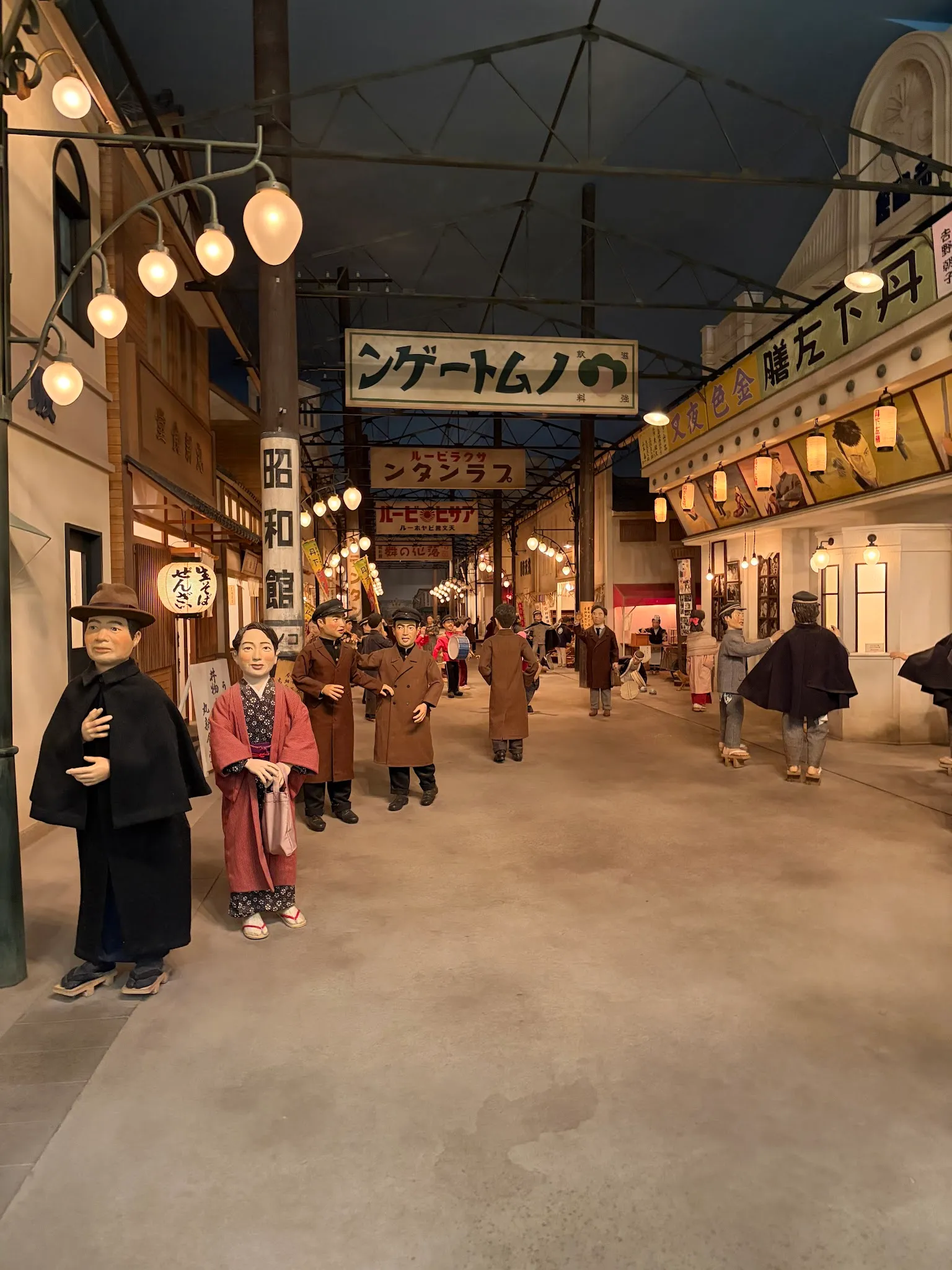
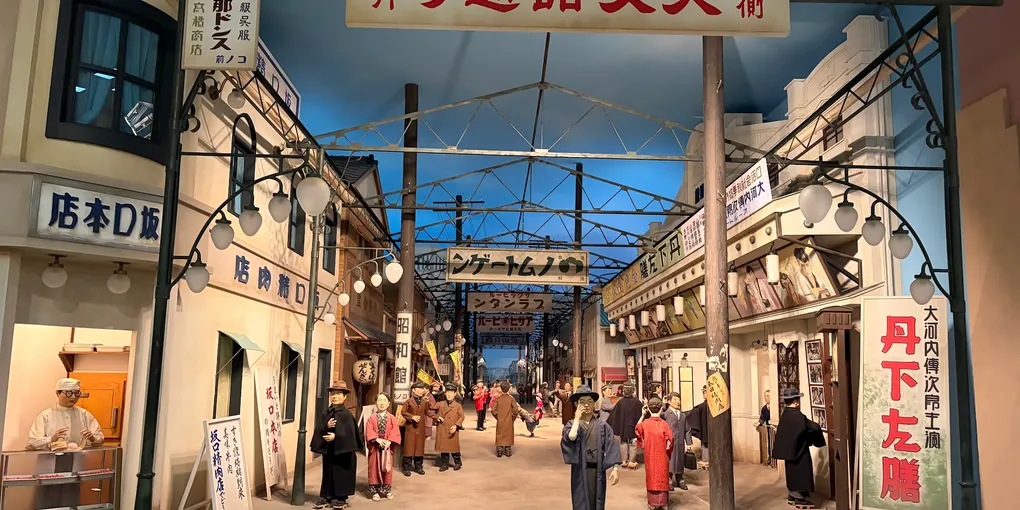
Tenmonkan district during the early days of Meiji restoration. This model is half the real size. It really feels like stepping into the past.
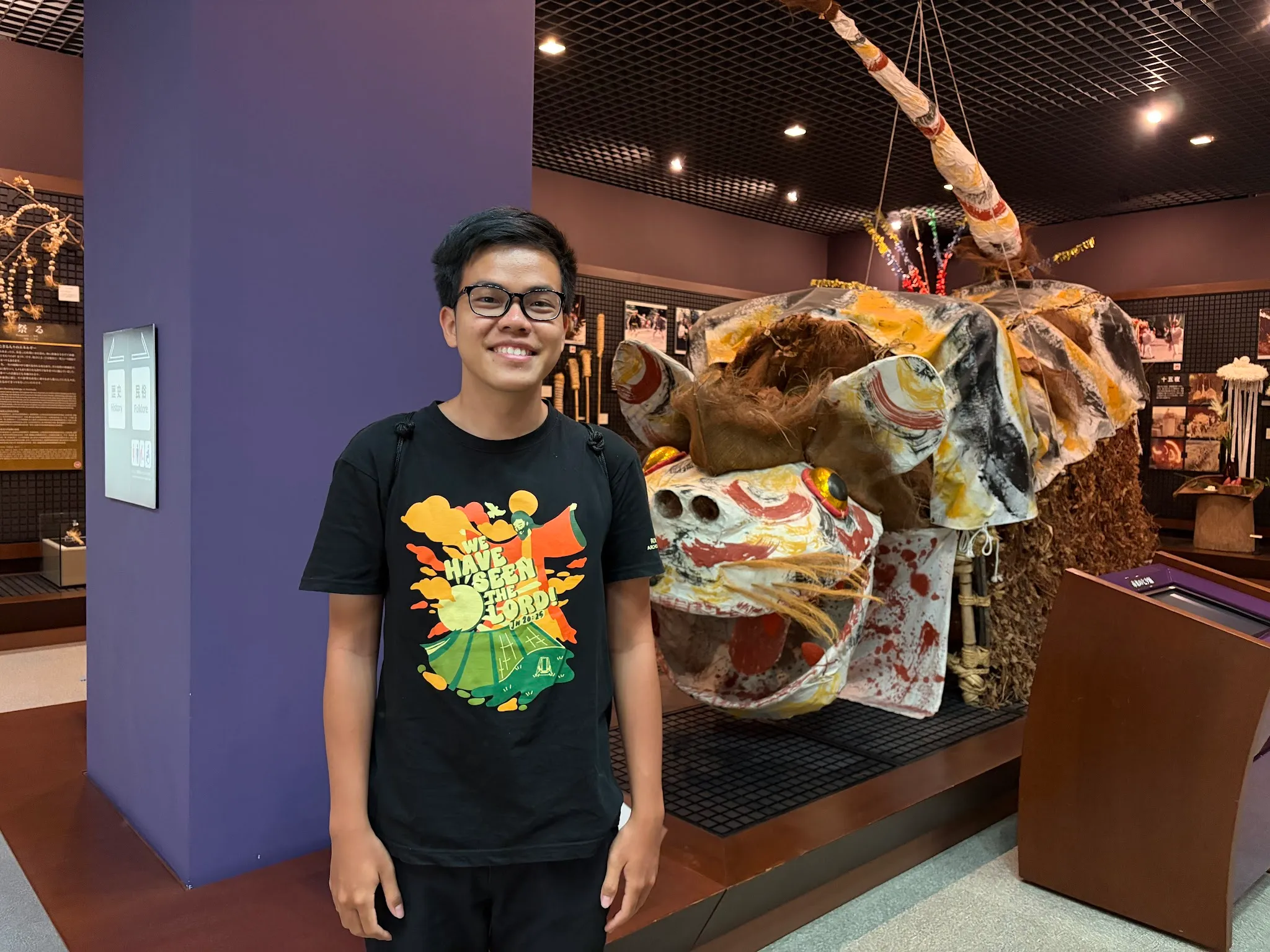
Folklore on display. The very friendly staff helped me take a picture.
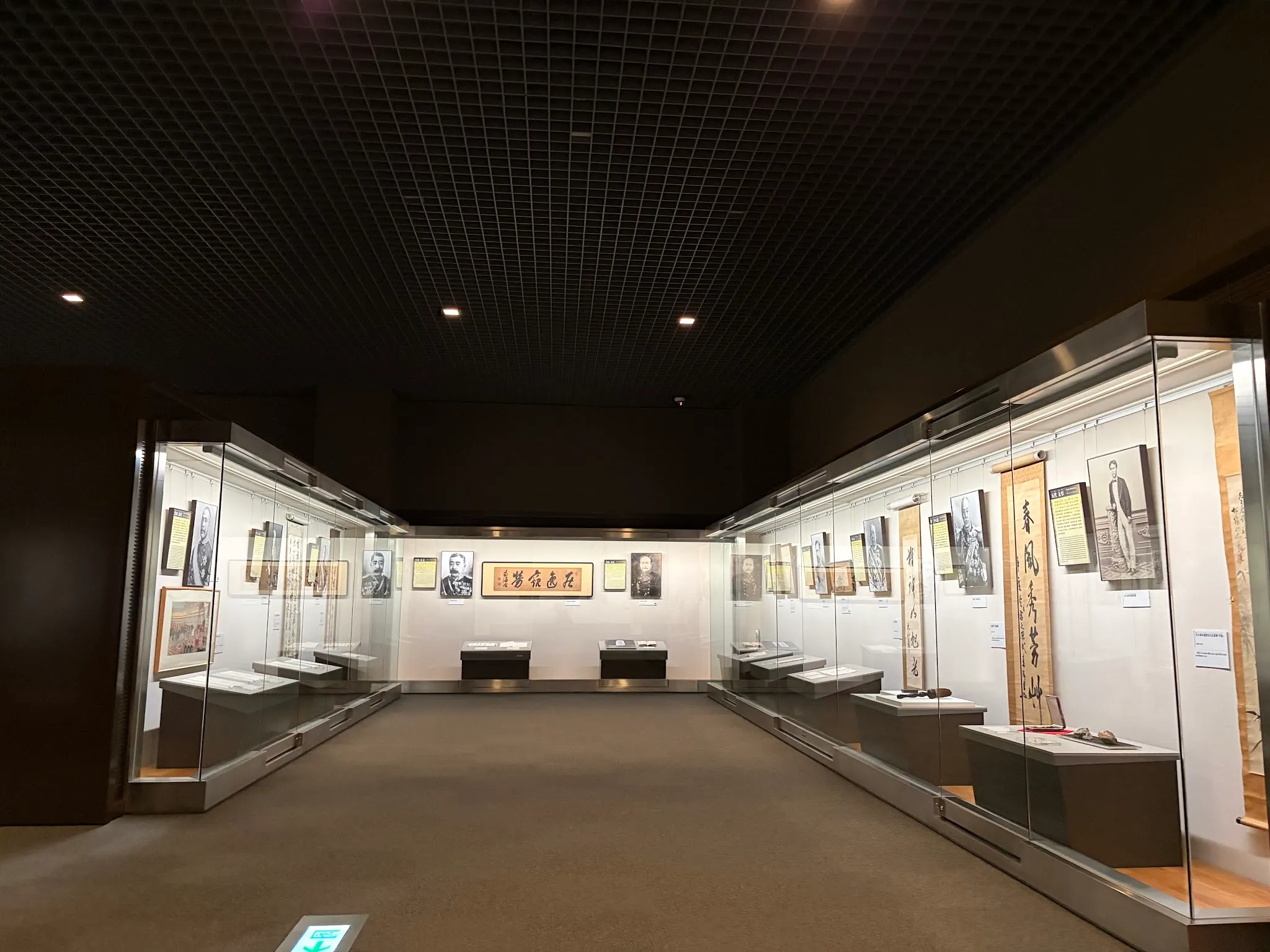
Satsuma (the old name of Kagoshima) contributed lots of talented people to the Meiji restoration. The space here lists the people that held key positions in the Meiji government, and many of them studied abroad and came back to modernize the country.
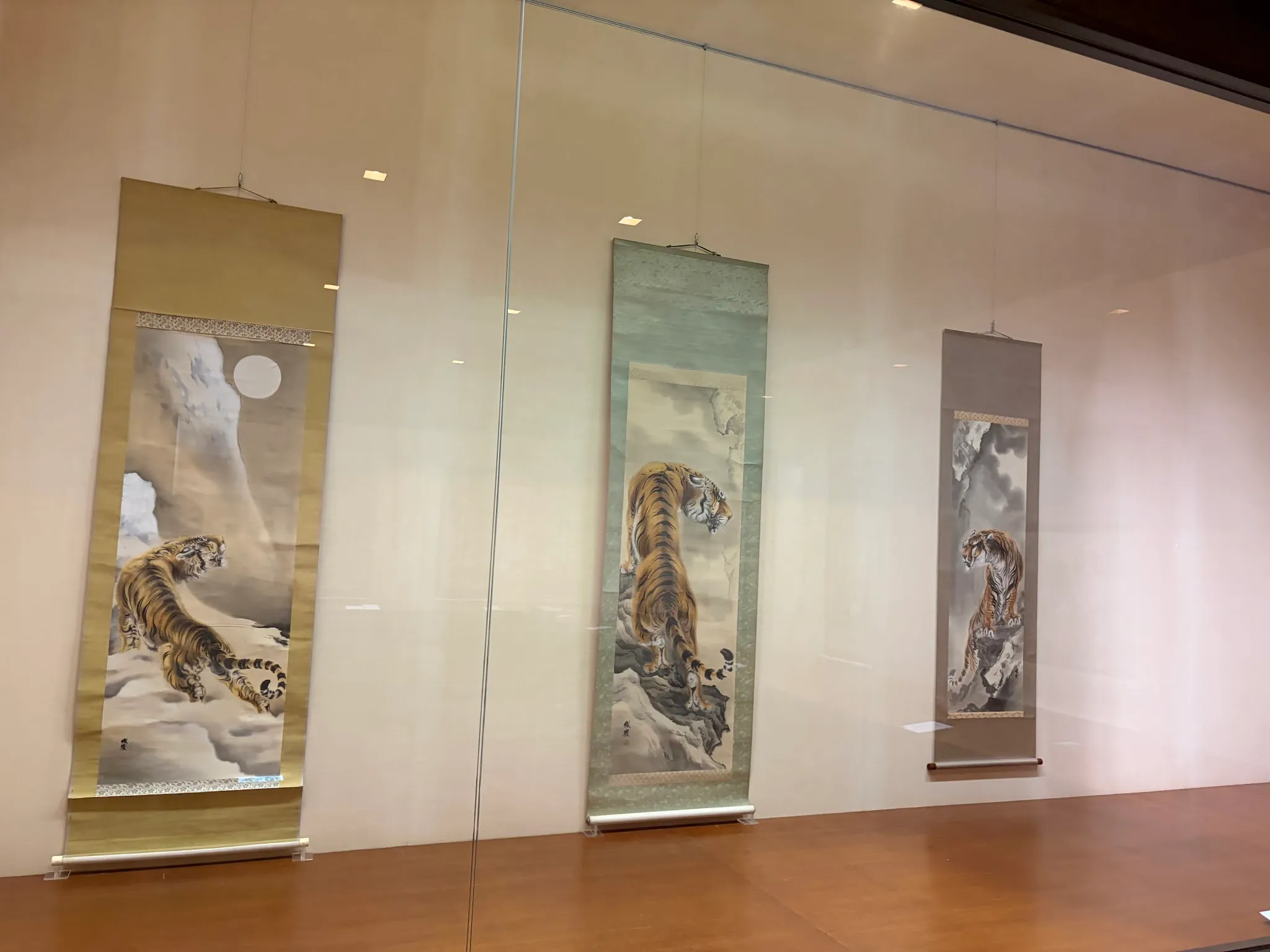
The arts on display.
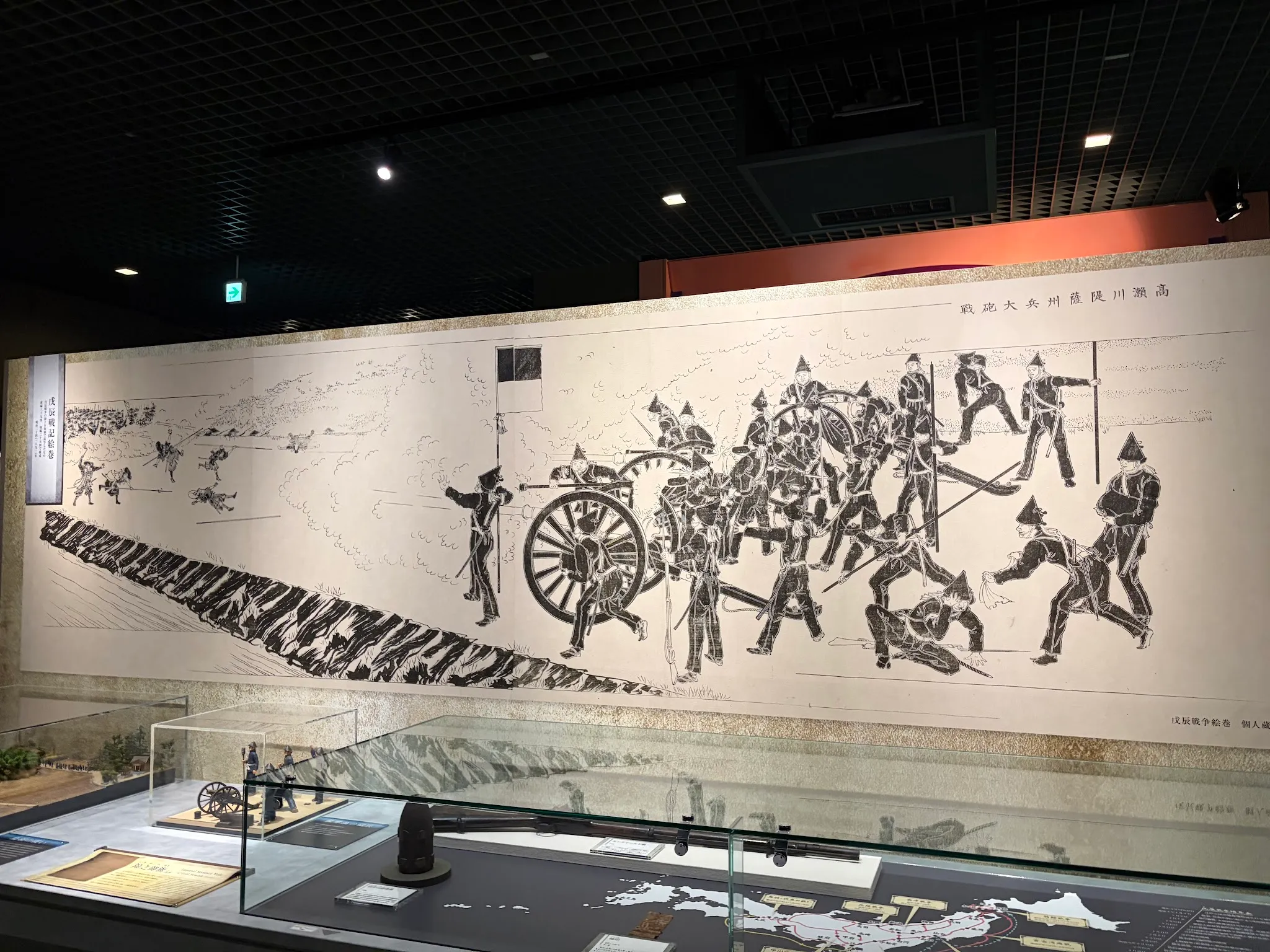
The first models of the cannons with firearms, used during the Boshin civil war (bloodless rebellion).
The museum is actually quite extensive, with 3 levels: first level displays history, second level displays folklore and profiles of key Meiji restoration contributors, and third level displays arts and engineering. A plus point is on the day I went, there were very few people. English subtitles are also limited to only section descriptions, so get your Google translate ready if you wish to read more. A minus point is there are some parts with photos prohibited (with an indicating sign) mixed on the same shelf as parts that allow photos, so after a while I started to be confused which one I can and which one I cannot take pictures of.
Steak lunch
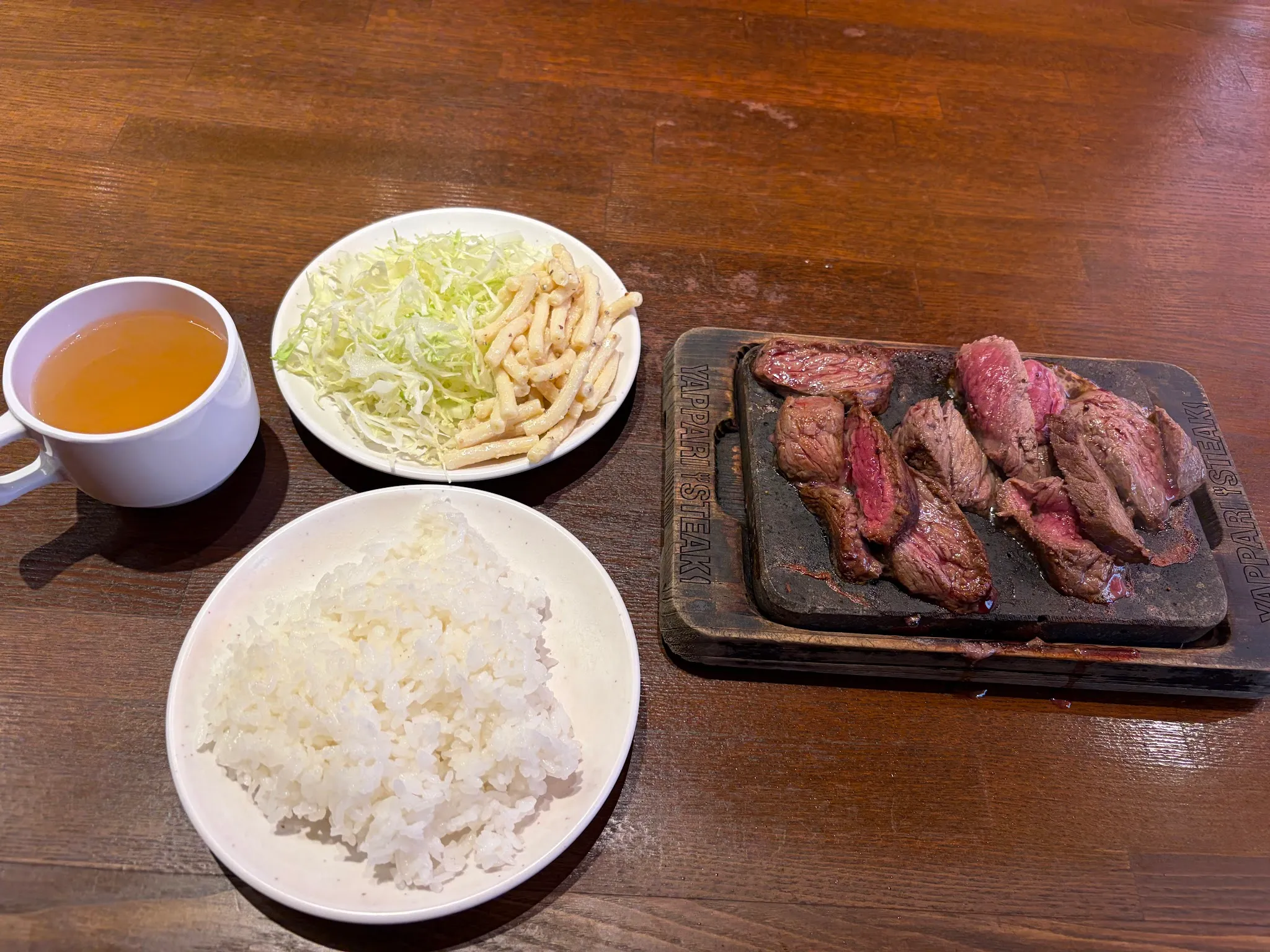
I ordered a lean meat portion. It is decent. The beef is not very tender though, it is probably regular beef, which explains the very affordable price.
Tenmonkan district
This is a vast shopping district, with lots of restaurants, cafes, gift shops, etc.
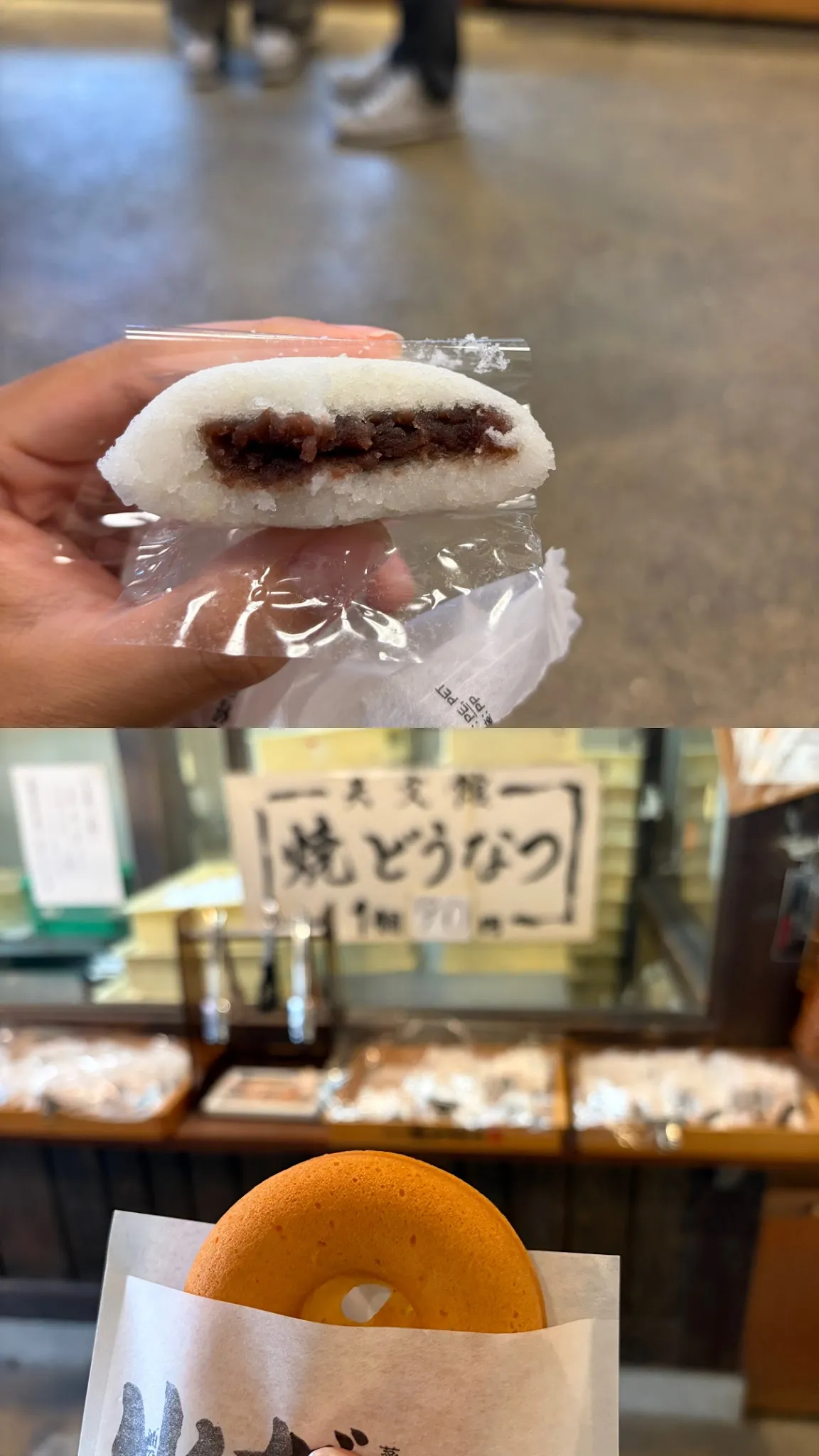
Bought some good and cheap snacks here! The top one is karukan, a rice cake with red bean paste filling. It is so good! The rice cake layer is so soft, it just melts in your mouth. The bottom one is donut. Did not intend to buy donut here, but there was a long line of people buying in large quantities, so I had to try. And it is soft and tasty! Superior to normal donuts.
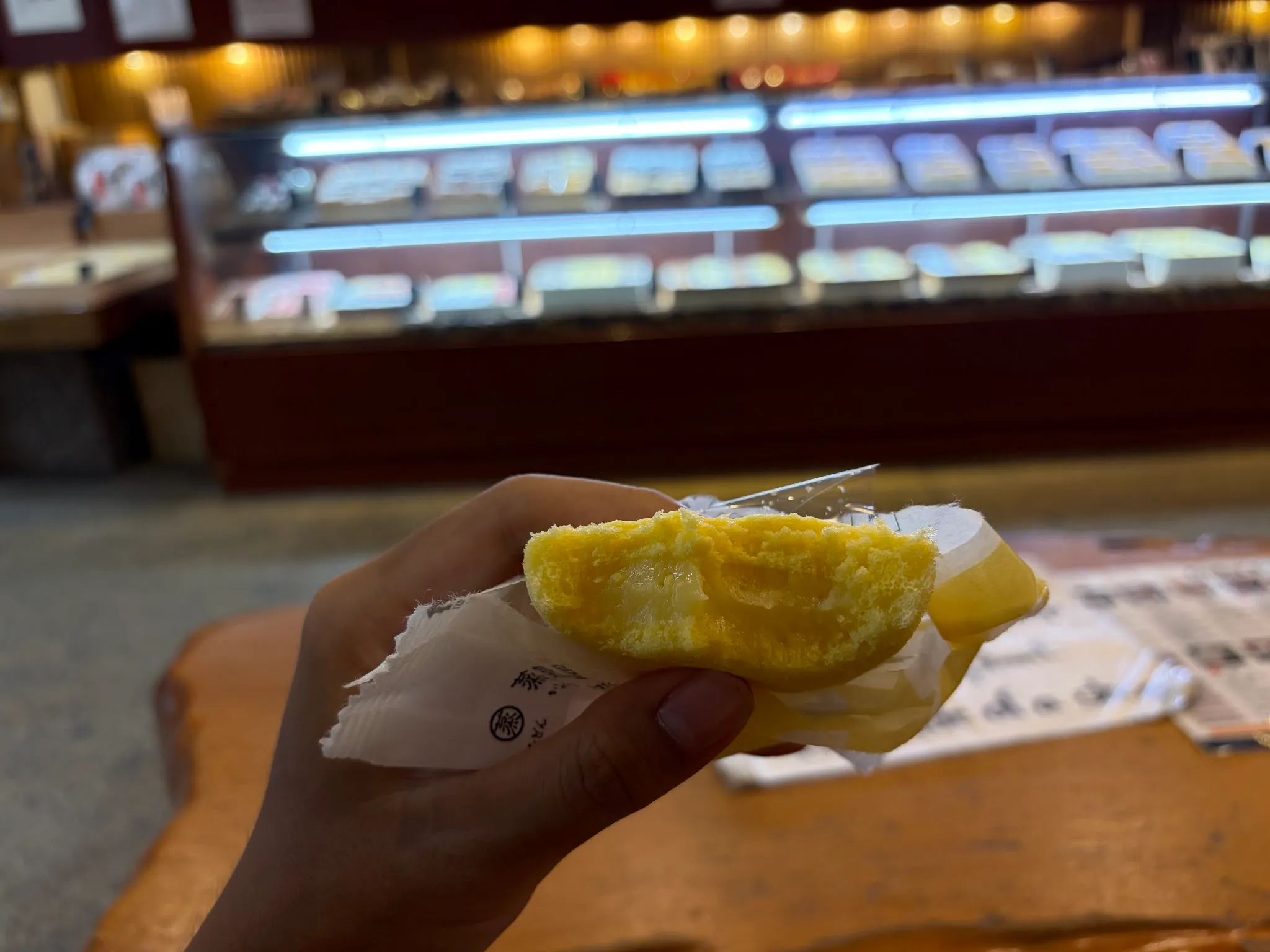
And came back here for another karukan treat! This time it is custard filling. Very good! The outer layer has a softer and more cake-like texture, closer to manju than karukan.
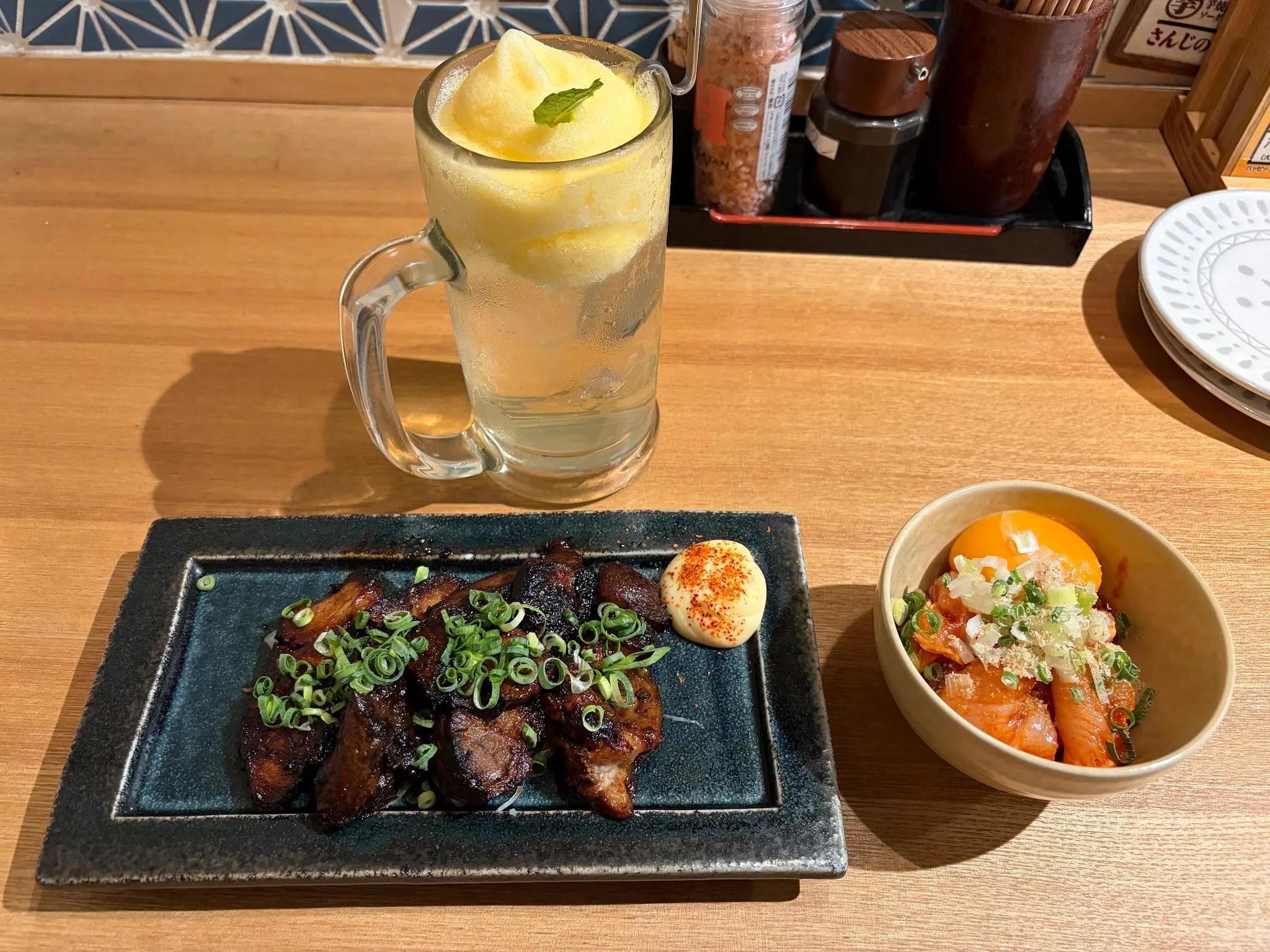
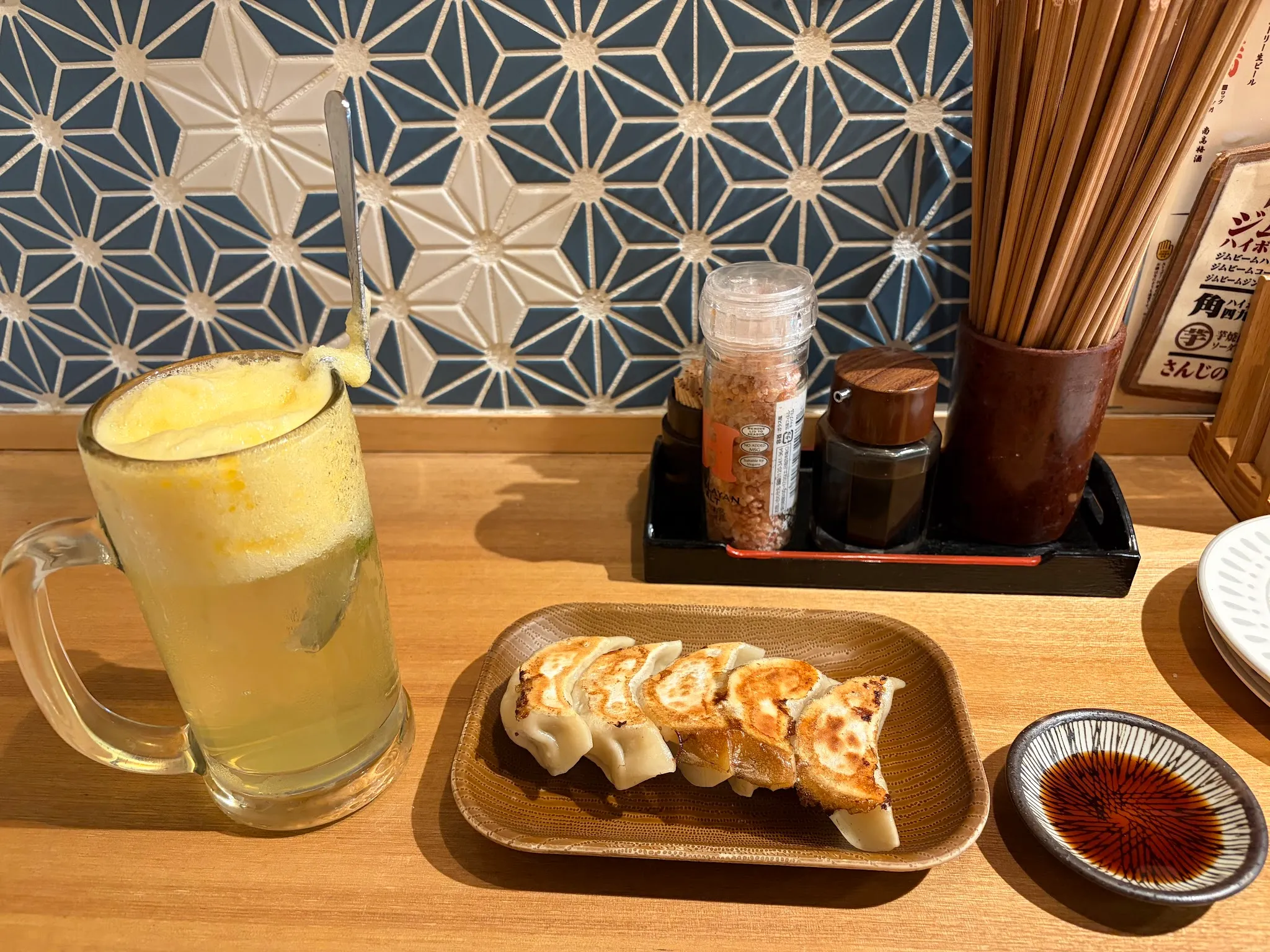
Had dinner at an izakaya here. Interestingly, this is the first time I stepped into an izakaya, and the first time on this trip to try gyoza.
Everything is so good! The seared pork is very soft and tender, and well-seasoned. The chicken sashimi is very tender, this is probably premium chicken because normal raw chicken would be very chewy. Fried gyoza is good, as per normal.
The drink is Sakurajima komikan sour. It is a unique drink here. It is another good version of lemonade: the sour taste is just right, and there is a top layer of lightly sweet ice.
St Francis Xavier Cathedral
This is a cathedral to commemorate St Francis Xavier’s missionary trip in Japan. He first set foot in Kagoshima when arriving in Japan.
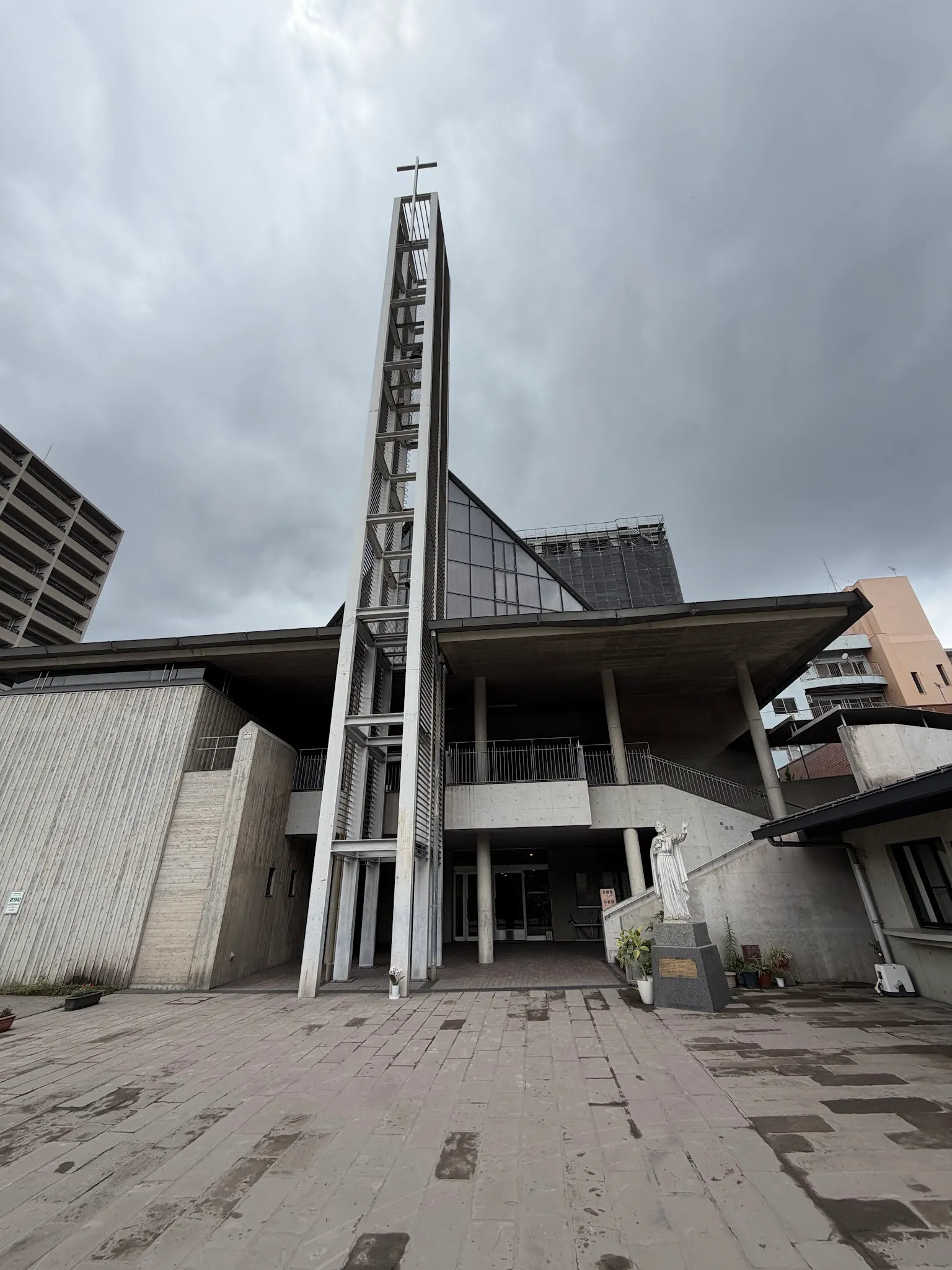
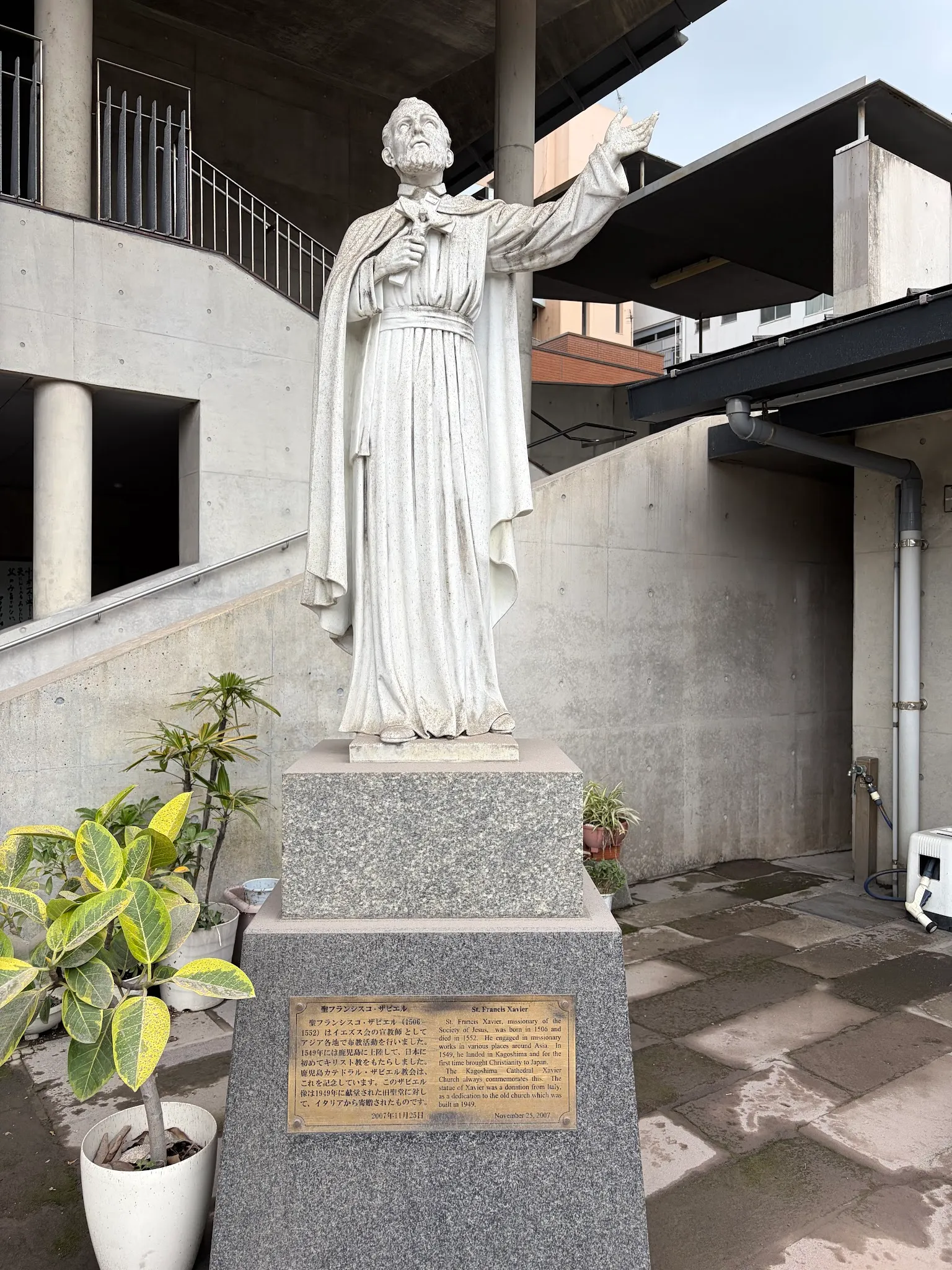
I first went to the library, and wow, the people here were so friendly! They tried so hard to talk to me, so I had to use Google translate to talk to them. By this time I wish I had learned a bit of conversational Japanese :( There were also a lot of “protest posters” in the library, some in English saying “no wars”, “stop wars”.
This area does not have a lot of Filipinos, so the English mass was very empty! However, there was a small Vietnamese community, and the priest was also Vietnamese :) He conducted homily in two languages lmao. Unfortunately I did not have the opportunity to catch him after mass.
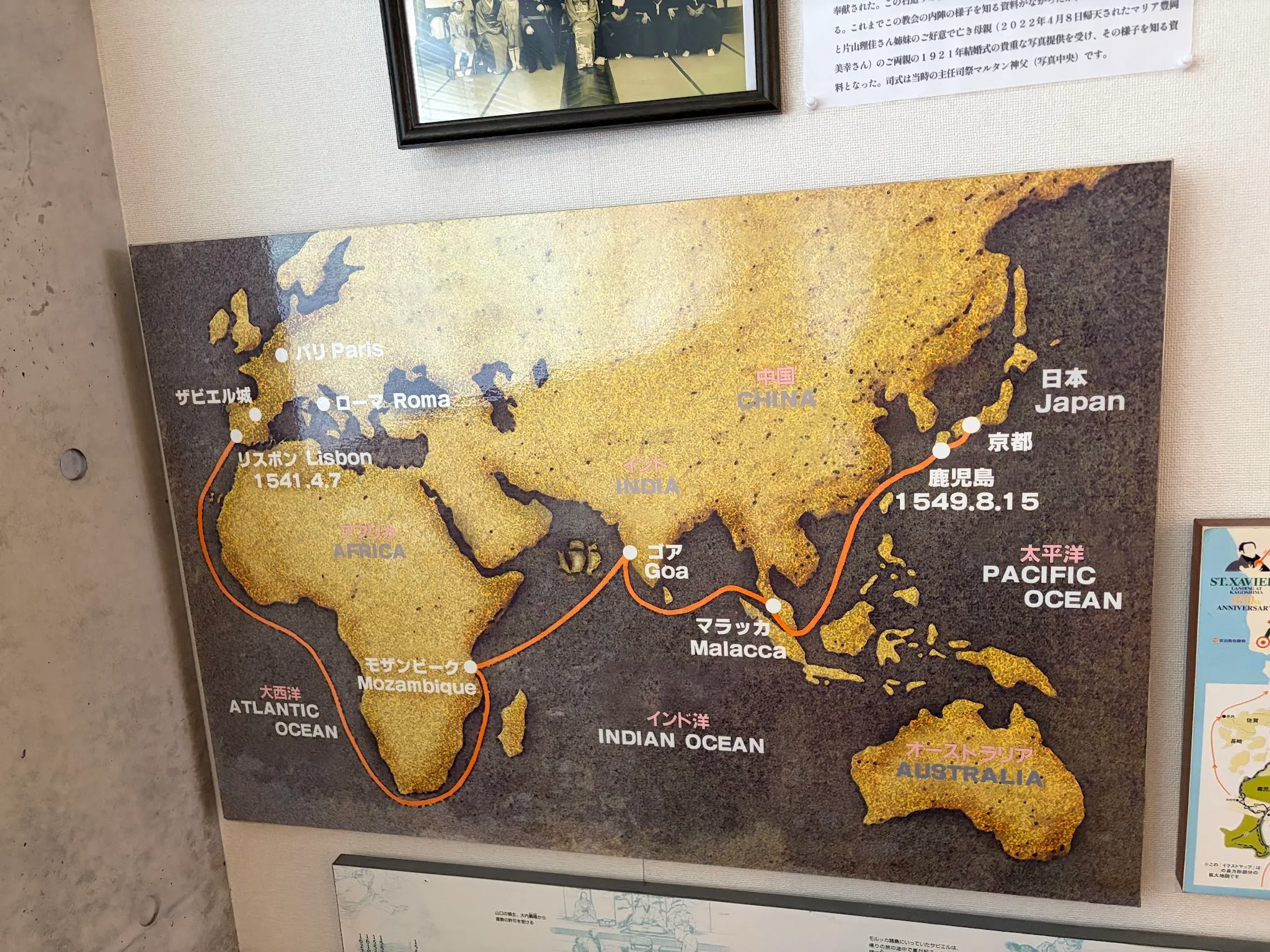
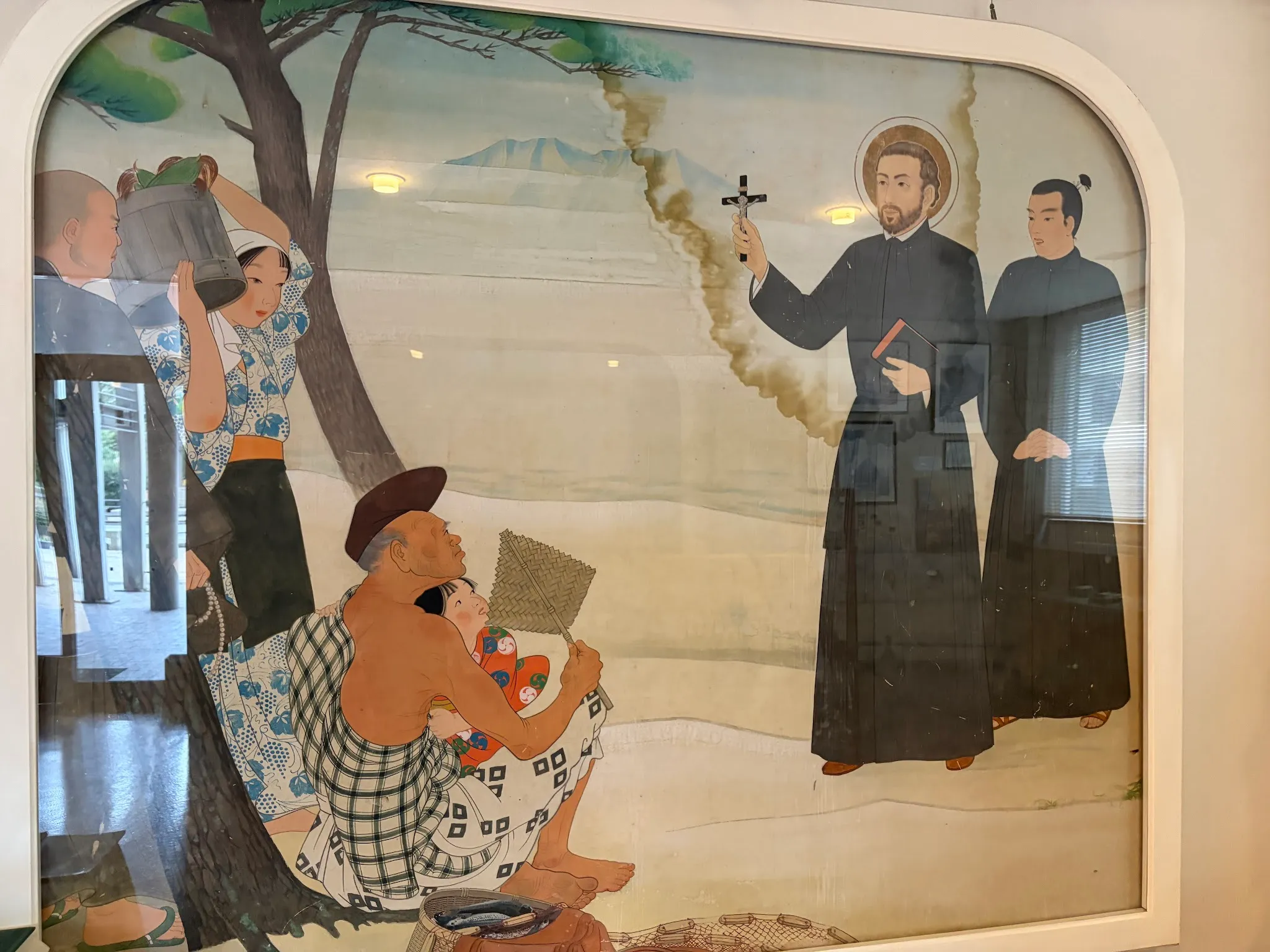
There were some posts about St Francis Xavier. Here are some: the top one is his journey around the world, and the bottom one is a depiction of him evangelising to a family. There were also flyers available in English about his journey in Japan and the history of the cathedral.
Shiroyama park
The observatory is above some flights of stairs that took around 15 minutes.
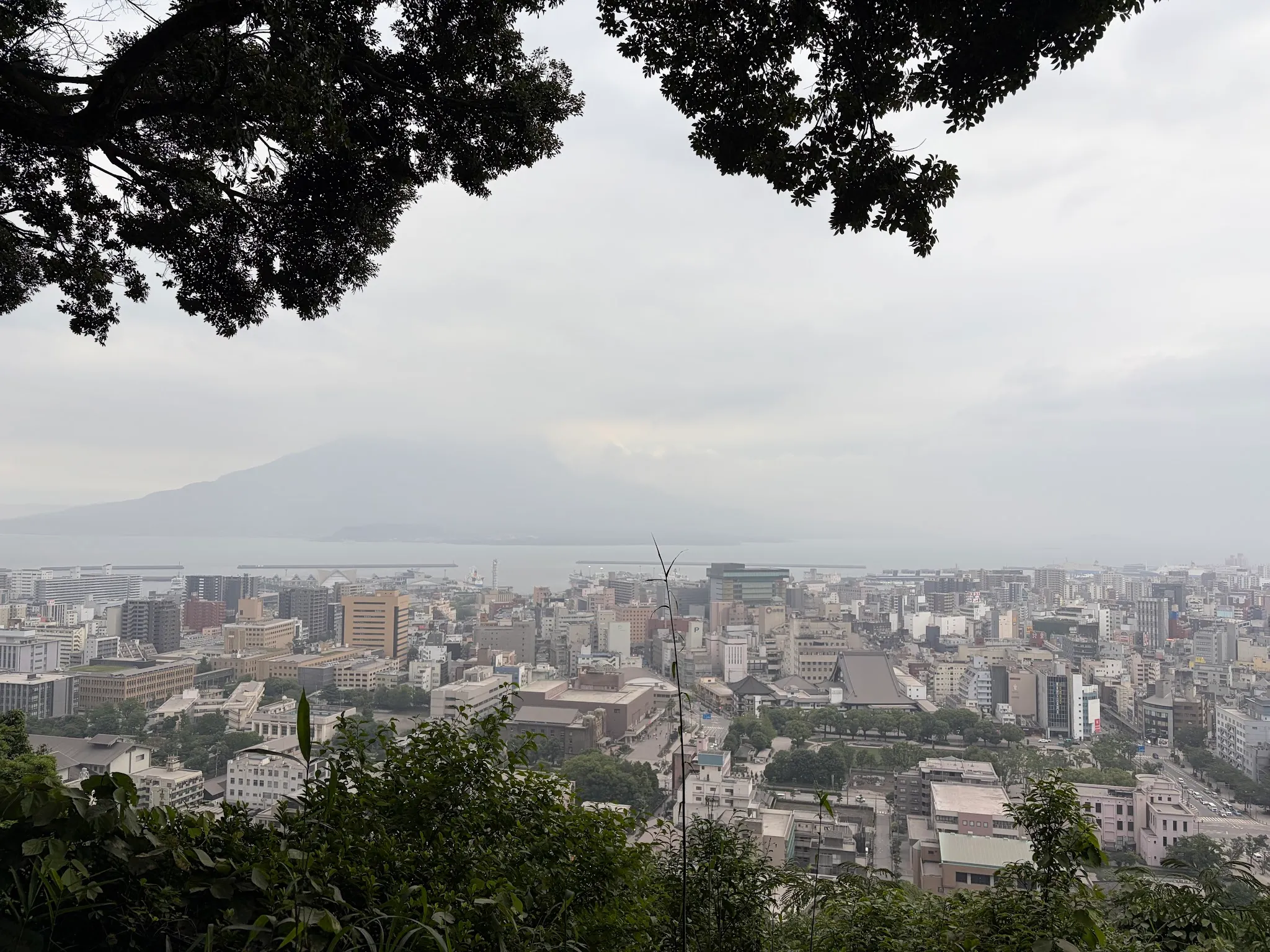
The view is beautiful! You can see the volcano in the background. Due to the ashfall today, the sky looks unclear.
Sakurajima
I took a ferry from Kagoshima city to this volcanic island.
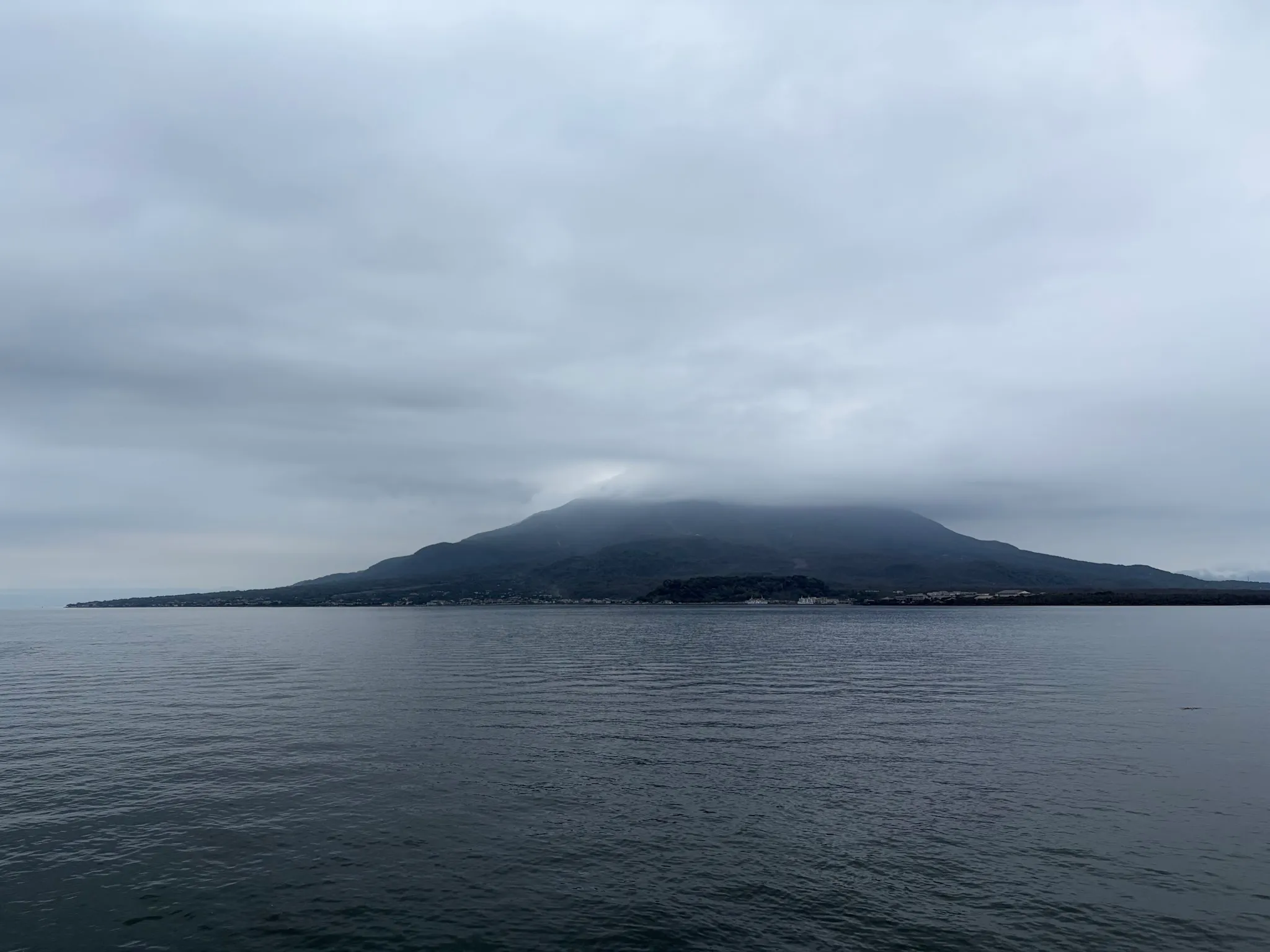
Beautiful view of the volcano, my destination.
The ferry is quite huge, with even a noodle shop in the middle.
Upon arriving on the island, there was a bike shop right opposite the ferry terminal with a very reasonable price, 400 yen per hour. Still more expensive than that in Nagato, but that is stonks, much more affordable than the one at the visitor center (3300 yen for 4 hours iirc). I was so tempted to rent one, but nvm today I did not plan to cycle, I only had half a day here. Also turns out it rained shortly after :( Weather forecast was wrong.
There was a short walkway southwards towards some observation point. The path was filled with ash from the ashfall yesterday.
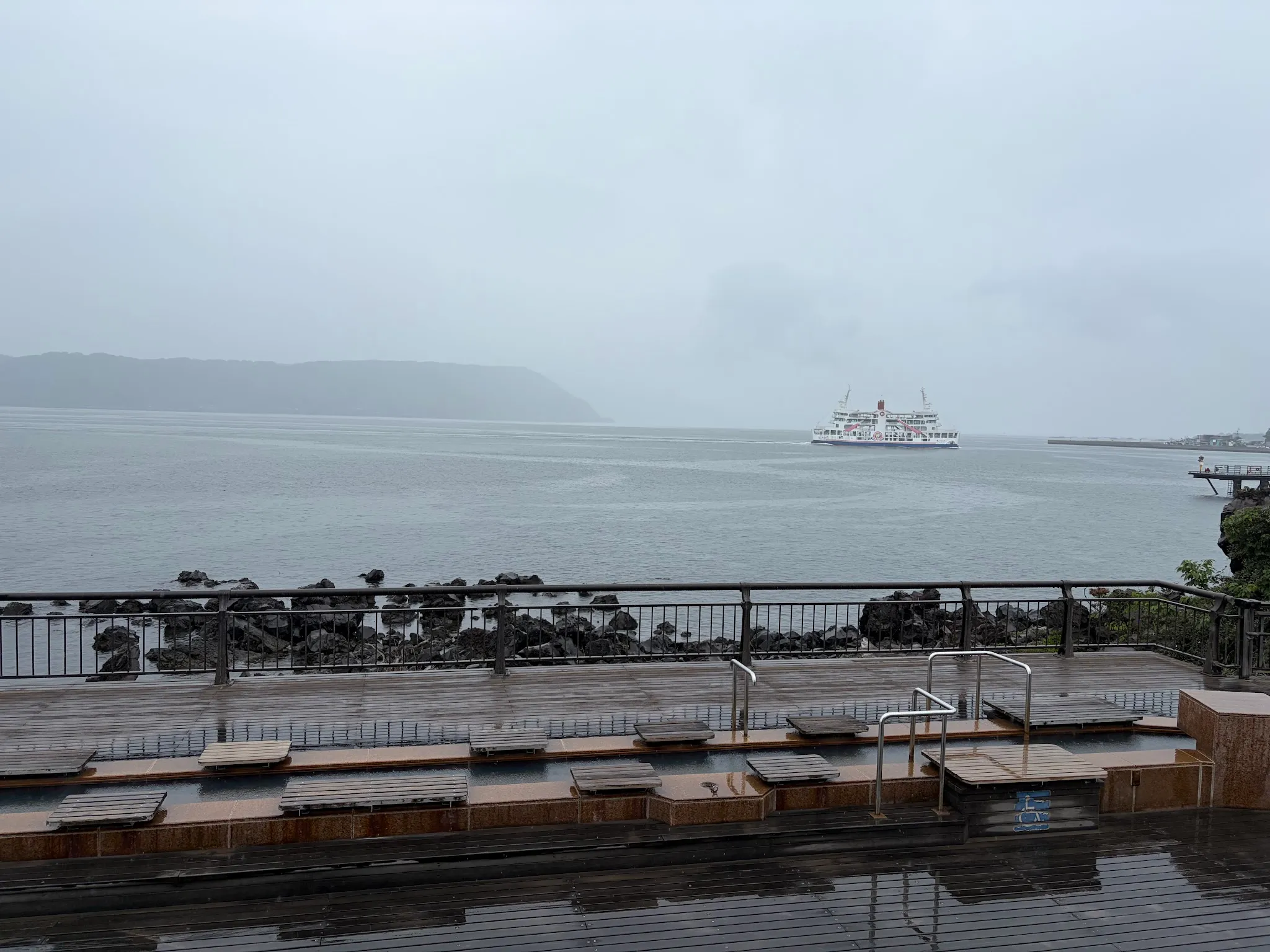
Hot water footbath. Any other day I would have dipped my feet in, but it is raining today :( and not sure if the water is contaminated with ash, since it is outdoors. But the setup looks really cool though: a footbath with very beautiful scenery looking towards Kagoshima city.
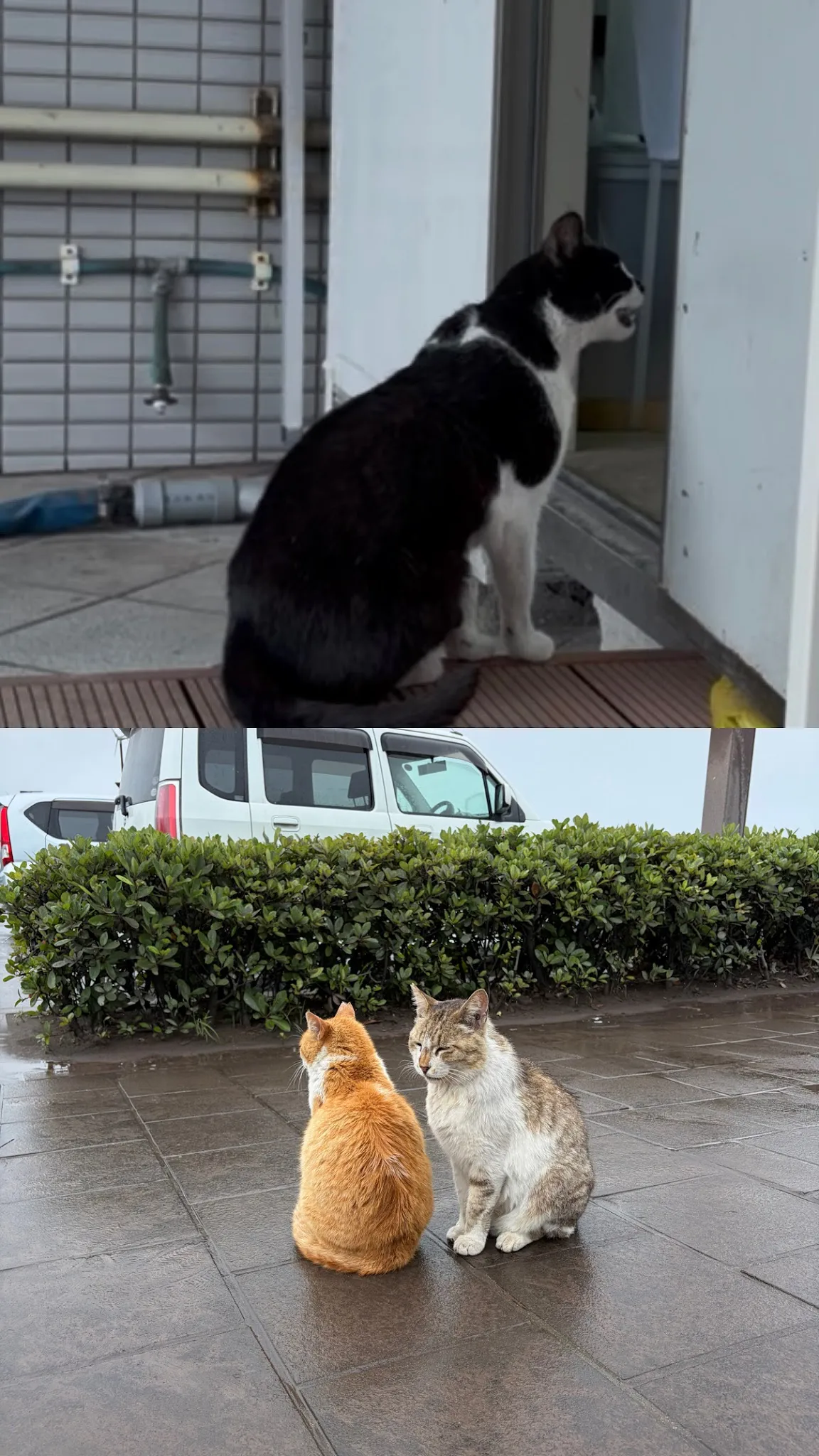
Spot quite a number of cats on the island. Some love human attention and pets, others like the orange one love attention but do not want pets.
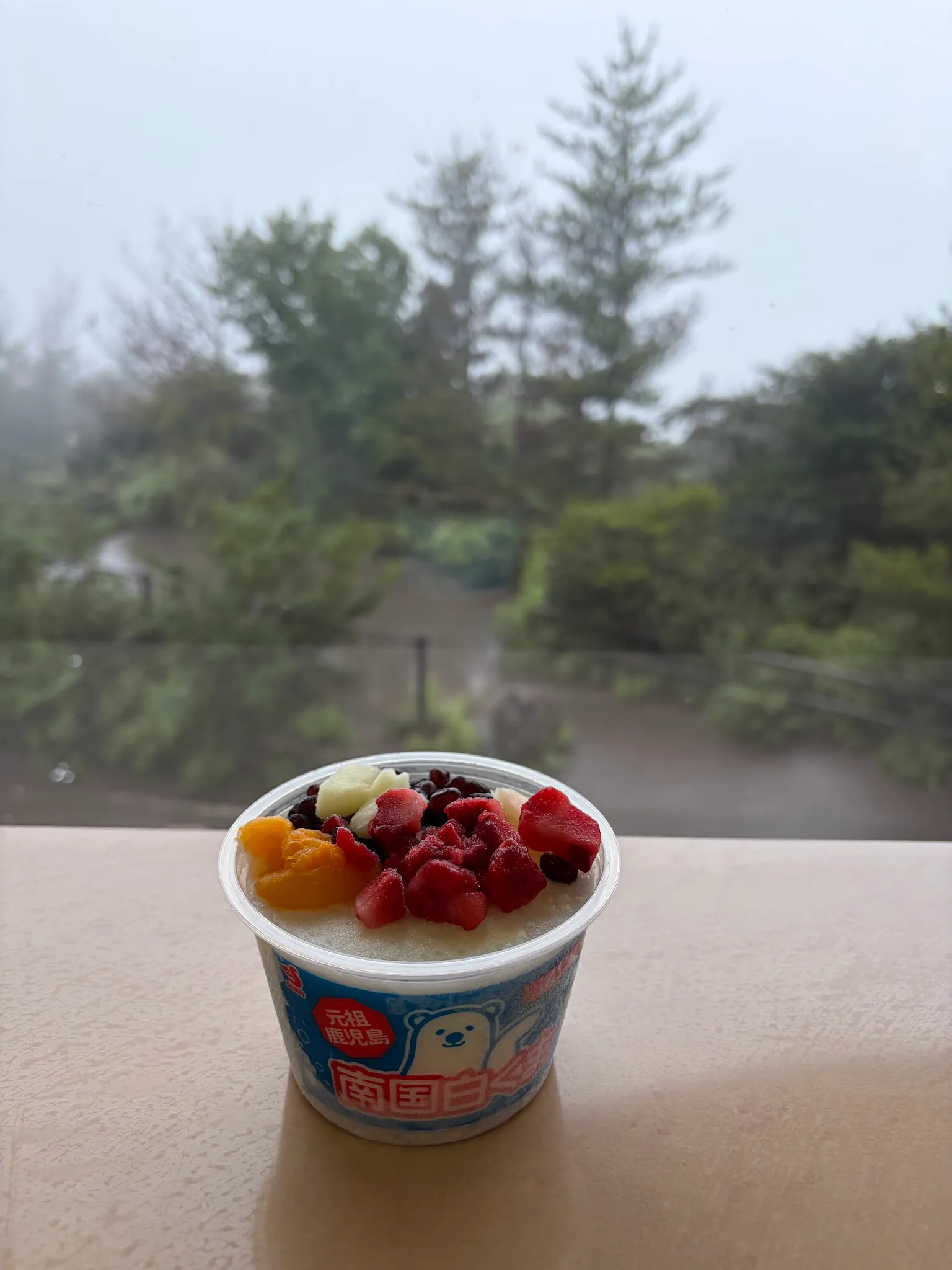
Yunohira is supposed to be an observatory with great views of the sea and of the Sakurajima crater. But today it was so cloudy! Literally could not see anything. So I bought polar bear ice cream with the mountain backdrop. The ice cream is so good though, it is lightly sweet ice.
Black wagyu yakiniku
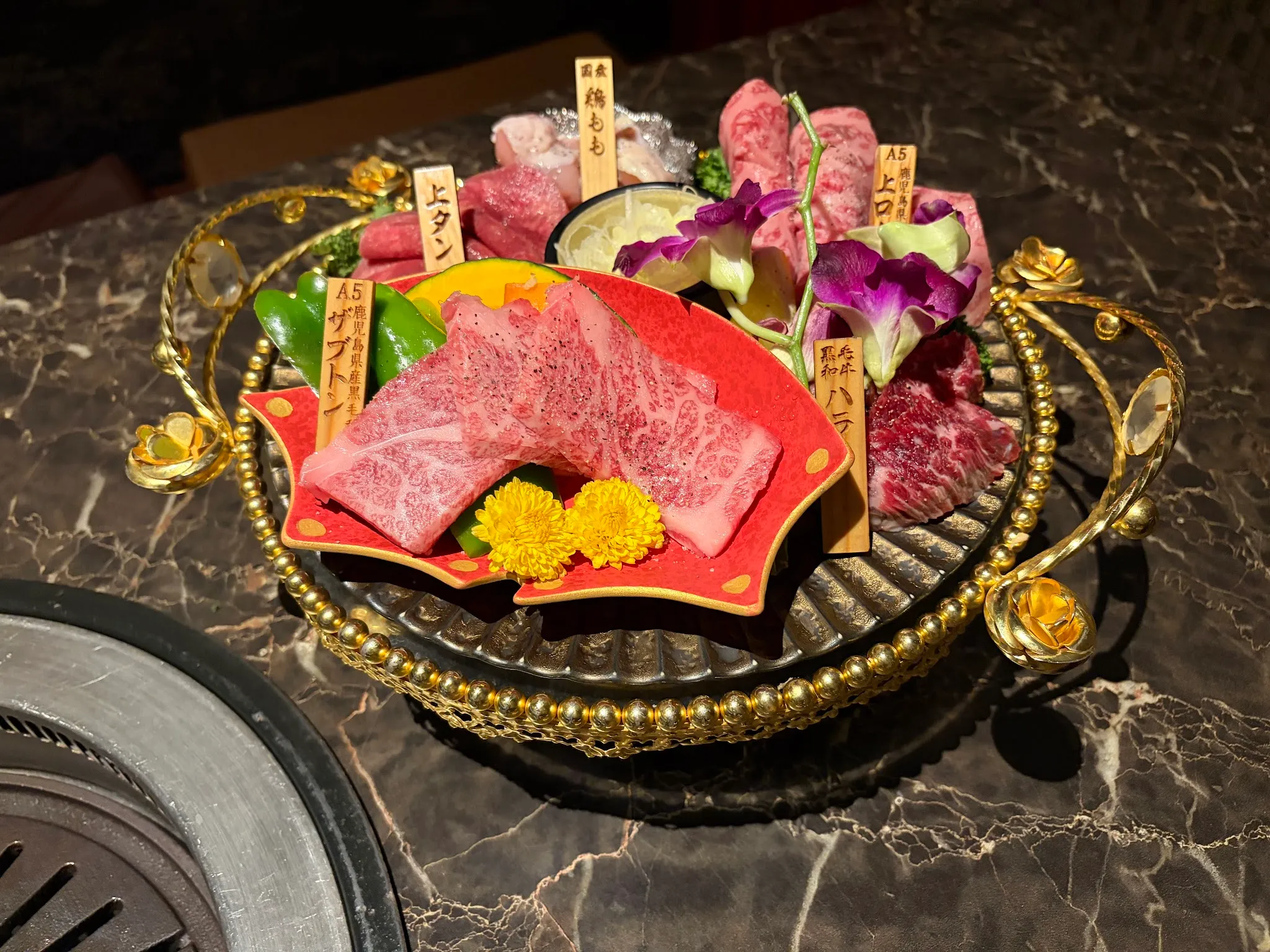
THIS is wagyu! All the cuts are tender and melt in your mouth. There is a beef tongue cut, which has an interesting chewy texture. I would still prefer normal cuts though.
Museum of Meiji restoration
This museum is a must-go if you are a Meiji restoration enthusiast like me! The modern history section of Reimeikan museum absolutely cannot replace this.
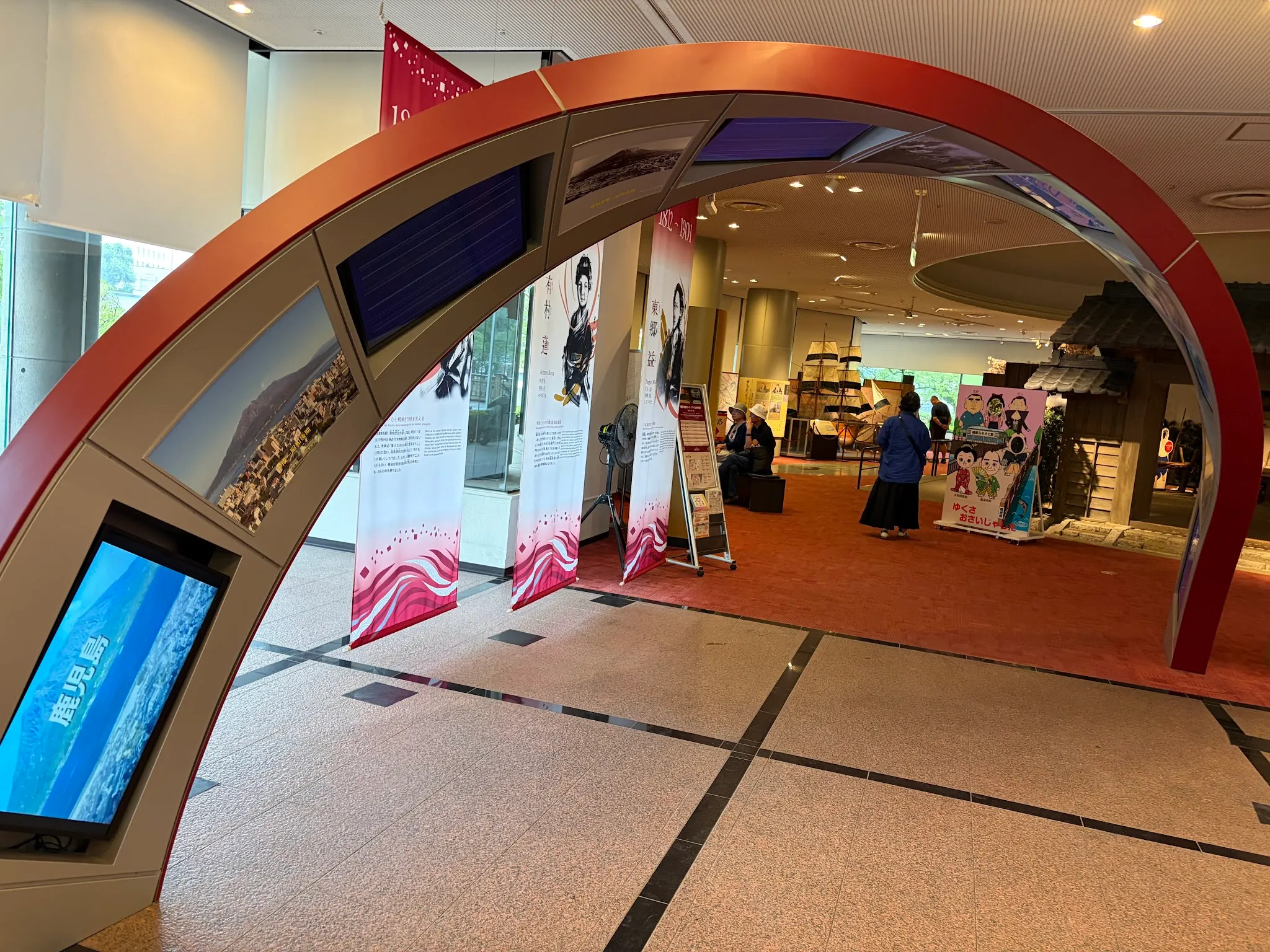
The museum features very rich displays of Meiji restoration, and in particular, Kagoshima’s involvement in the period. FYI, Kagoshima is the birthplace of 2 out of 3 great nobles in the Meiji restoration, hence the rich history being displayed here.
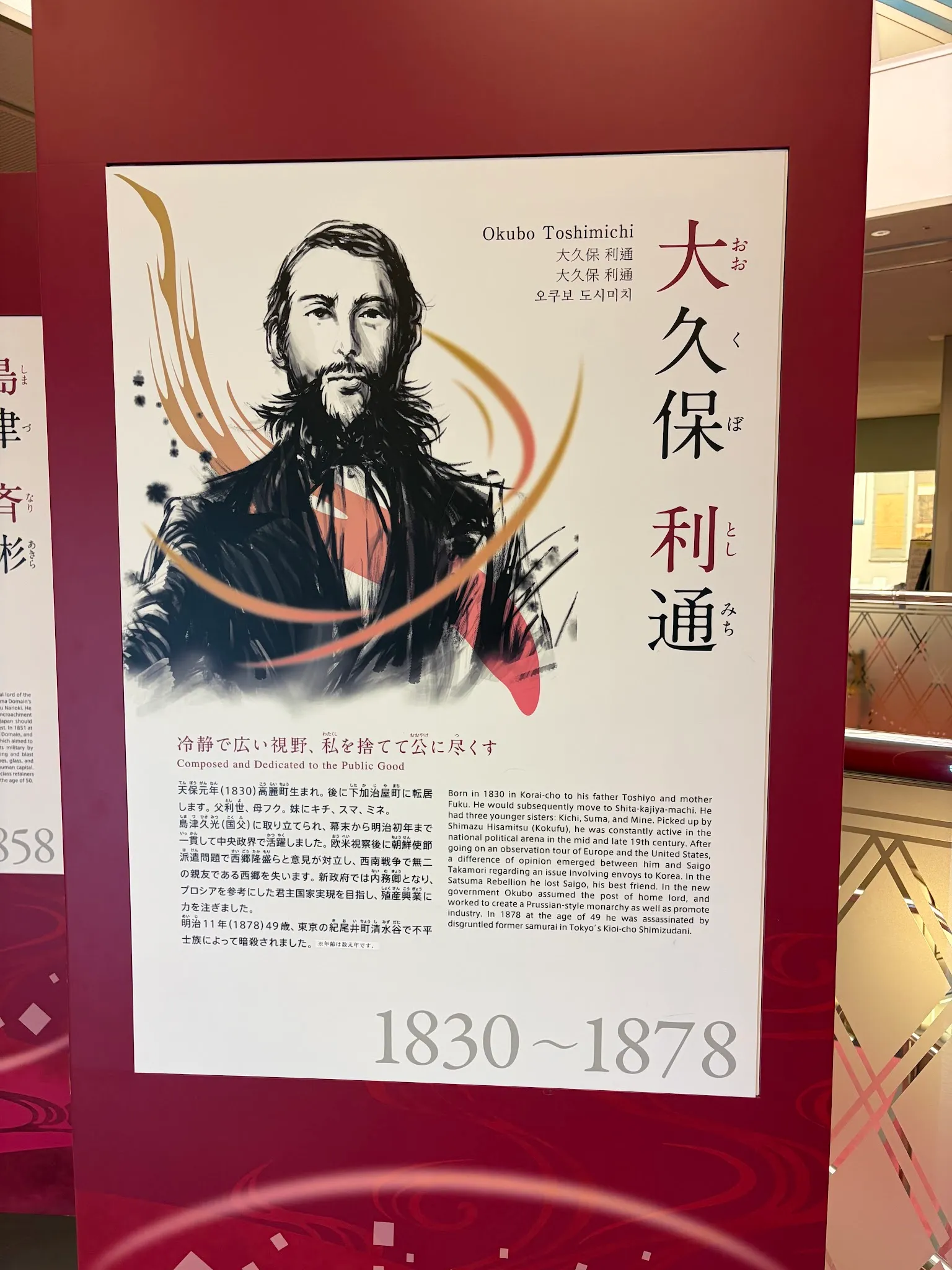
Okubo, one of the 3 great nobles of the Meiji restoration. He was involved in the Satsumo-Choshu alliance and led it in the Boshin civil war that resulted in the transfer of power from the shogun to the emperor. Though being a samurai, he himself catalysed the modernization of Japan that corollarily restricted the privileges of the samurai class.
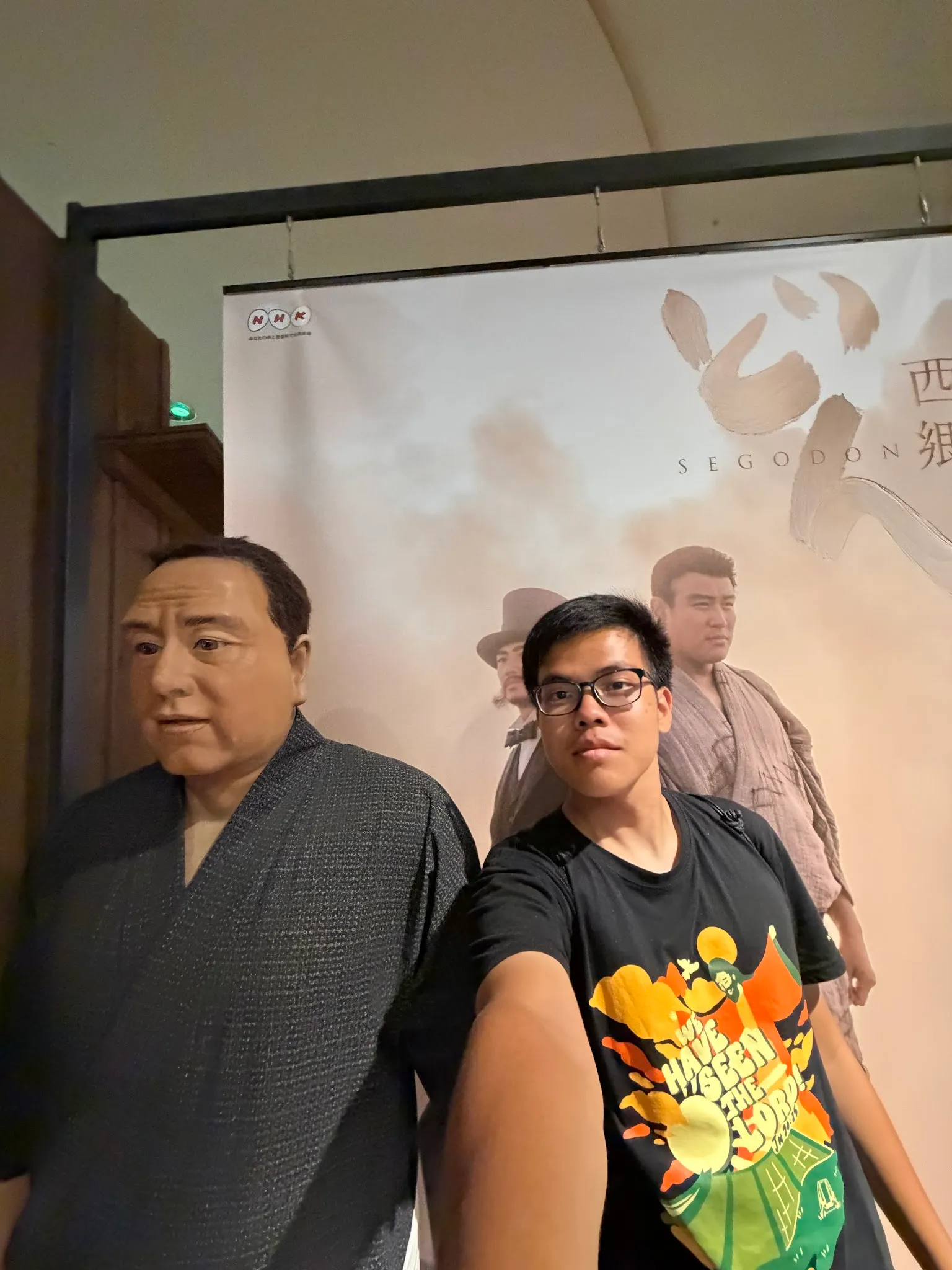
Saigo, one of the 3 great nobles in Meiji restoration. He was a childhood friend of Okubo and also led the Satsumo-Choshu alliance in the Boshin civil war. The friendship cracked when Saigo, an emotional man, demanded to send an envoy to Korea when it refused to recognise the new Meiji government, which would inevitably lead to war. Meanwhile, Okubo advised against it and wanted to focus on modernizing Japan instead. The emperor sided with Okubo, and Saigo left his post and returned to Kagoshima. Later on, he led the samurais in the Seinan civil war, where his faction was decisively crushed by Okubo. Such a romantic friendship yet with a tragic ending.
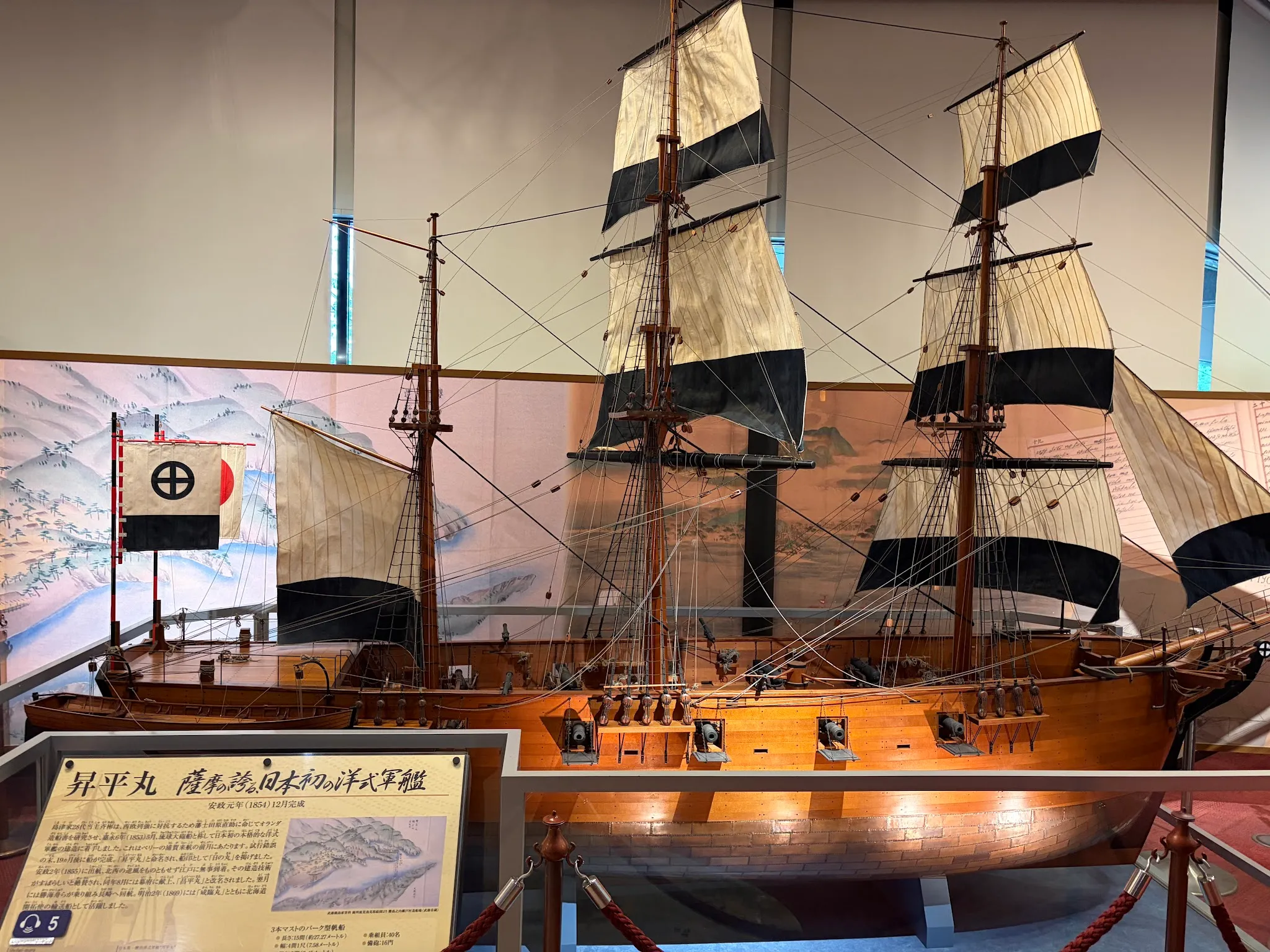
Model of the first Western-style warship built in Japan. It flies the flag of Japan, which went through a process of design in the early days of Meiji restoration. Besides this model lies an exhibition of the first national anthem of Japan, the music of which was composed by a British.
The museum also has two shows, both of which have English audio guides. I started to understand most of the history contexts from these shows. The first show is about the students sent overseas by the Satsumo clan. They set sail despite the national travel ban by the shogunate government. Their journey involves excitement and awe across the wealthy lands of Hong Kong and Singapore, the British colonies of India and Yemen, the technological advancements manifest in the locomotive trains in Egypt, and their final destination of Britain. The second show is about the progression of the Meiji restoration, from the Satsumo-Choshu alliance to the end of the Satsumo rebellion (Seinan civil war).
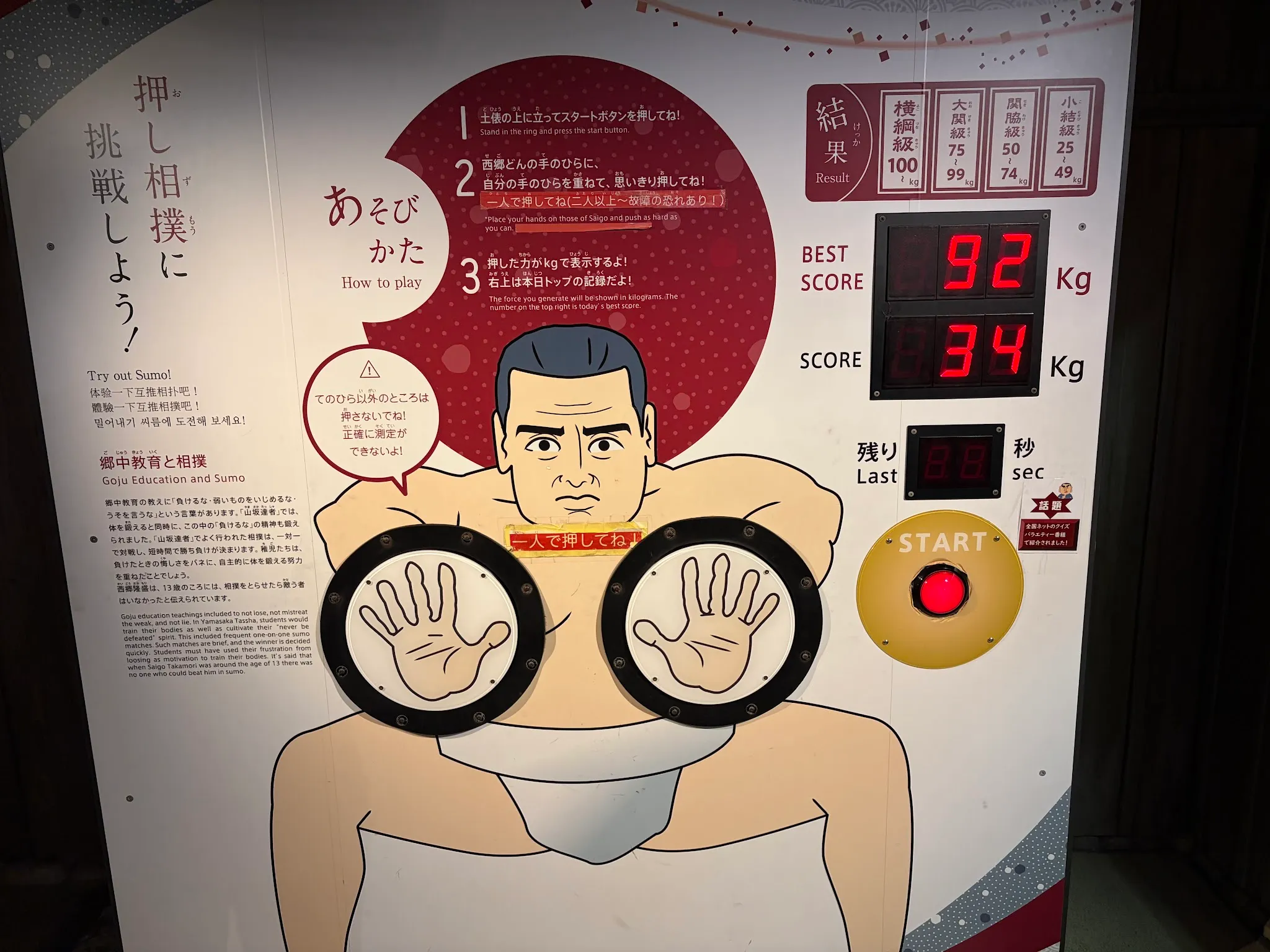
There were also very fun and interactive booths on the education system in Satsumo before Meiji restoration, like trying out pushing against a sumo, or participating in educational activities.
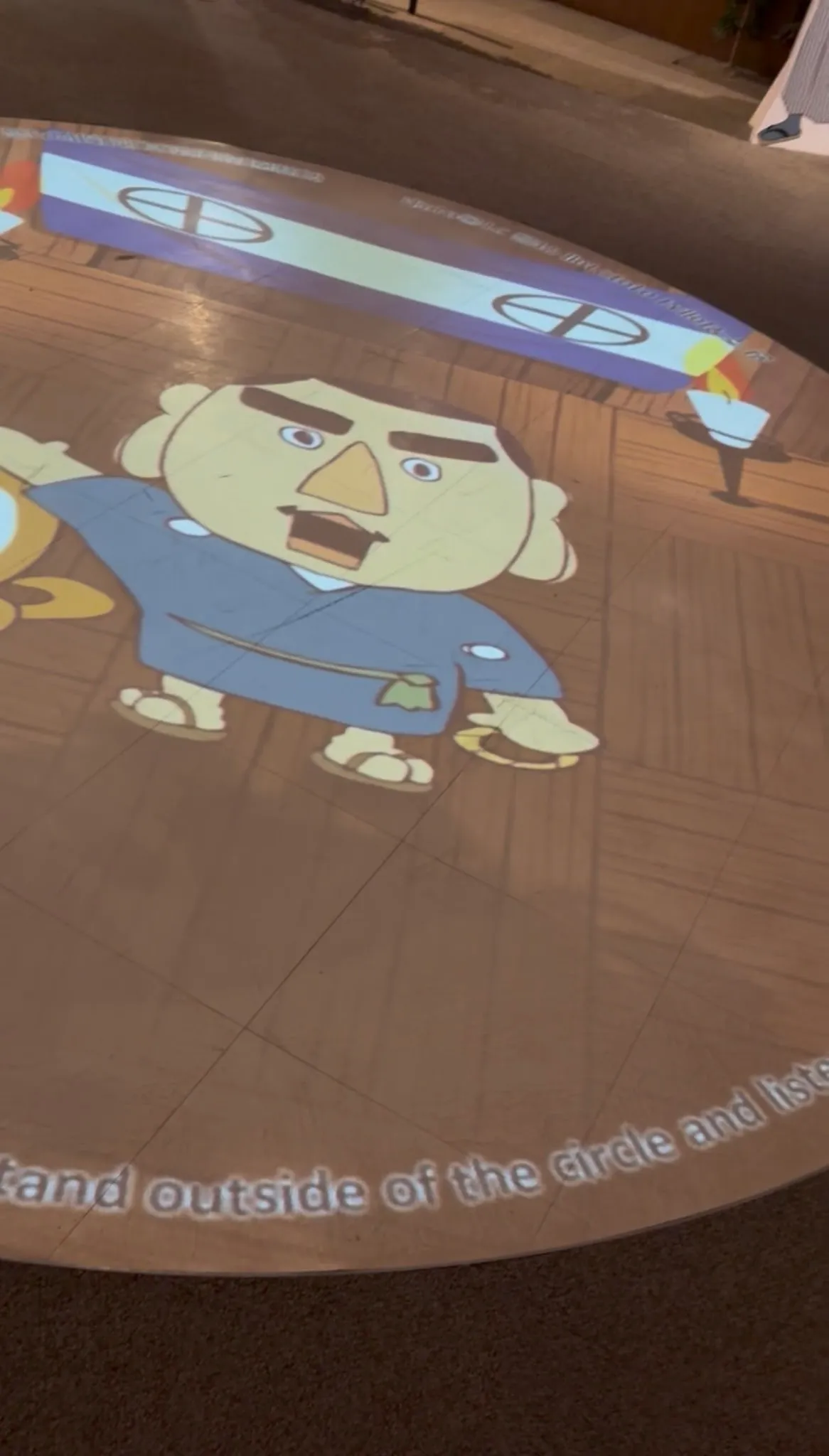
Truly, this is the highlight of my trip in Kagoshima. It has satisfied my curiosity about Meiji restoration.
Izakaya dinner
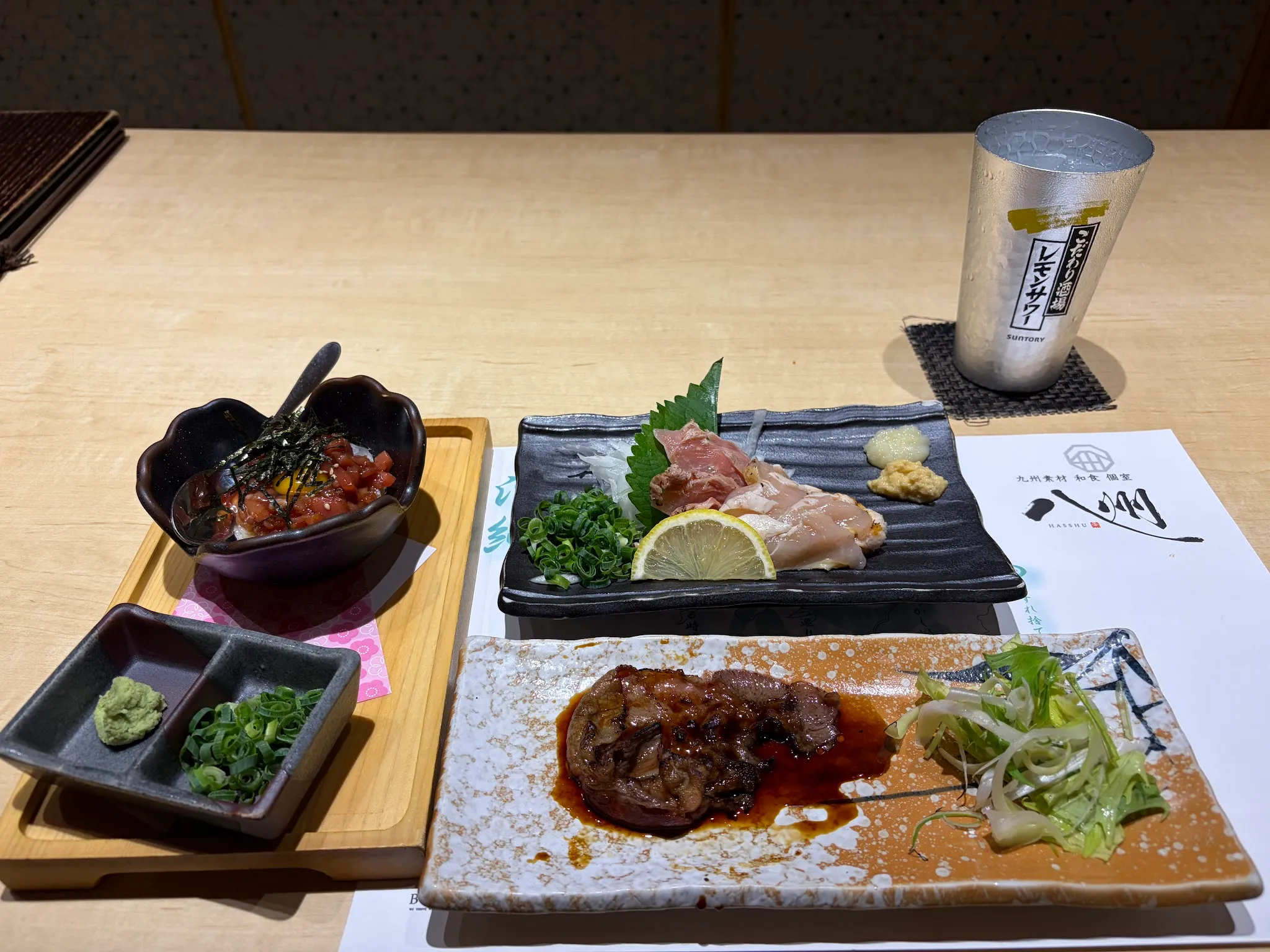
The fish on the left tastes great! The chicken is a bit weird because it has no seasoning. This is chicken tataki, which is chicken seared very quickly, leaving the inside still raw. The bottom one is beef, it tastes decent. Overall, the food is decent but is not as good as the one in Tenmonkan, and it is on the more expensive side. The drink is lemon sour. It tastes similar to the one in Tenmonkan but without the sweet ice layer on top, and it has a small alcoholic content.
Goodbye Kagoshima
I took the airport limousine bus to Kagoshima airport, to take a flight to Tokyo. The bus stop at Tenmonkan can be a bit confusing because the bus stop in the correct direction is only for arrival, but the departure bus stop is on the opposite side. Luckily, they put an English note at the station, so I managed to cross the road and got on the bus on time.
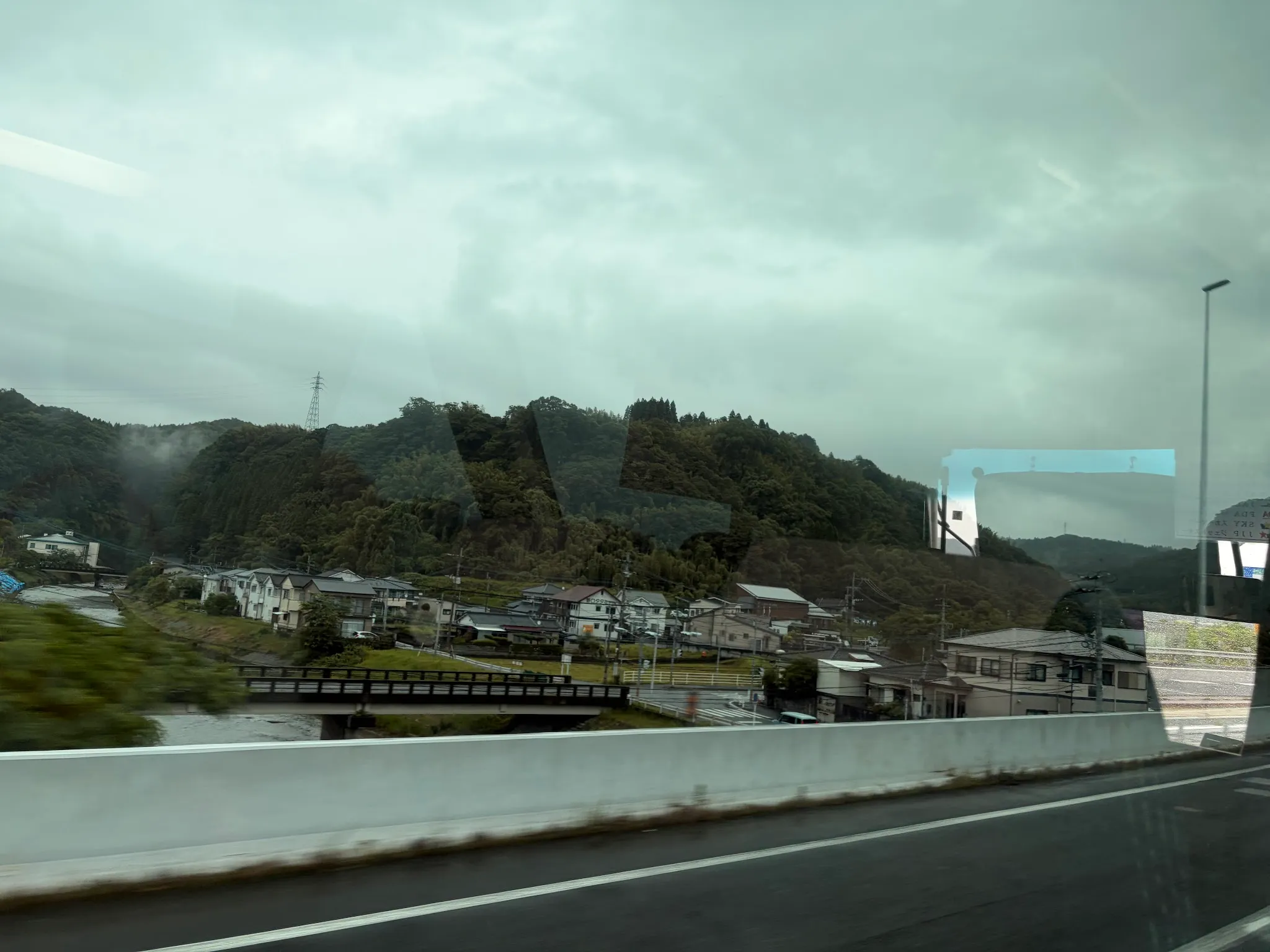
Final look at Kagoshima city.
Concluding words
Kagoshima is amazing! I thought I made a mistake by replacing Nagasaki with Kagoshima, but turns out I have learnt so much about Meiji restoration, and that makes Kagoshima so much worth it. I also got the perk of experiencing living by an active volcano, though the experience is not exactly fun. I wish it was clearer when I visited Sakurajima. Kagoshima also has quite friendly people, I still miss the experience of talking to locals at the cathedral, and wished that I knew a bit of Japanese so as to better talk to them. Well, next time.